

How to Size a Fuse Cutout and Fuse Link for a Distribution Transformer
September 8, 2026Sizing a fuse cutout for a distribution transformer is not simply a matter of selecting a standard catalog item. For overhead medium-voltage systems, the cutout body, fuse link, and protection coordination requirements must all be properly matched to the actual transformer application. An incorrect selection can lead to nuisance operations, poor protection coordination, or reduced system reliability.
We design and manufacture fuse cutouts specifically for distribution transformer protection. Our approach starts with understanding the transformer characteristics and the power system conditions—not relying on a one-size-fits-all selection method.
A transformer fuse rating is not determined by a single value from a standard table. It depends on factors such as transformer specifications, upstream protection settings, and the fuse link’s time-current characteristics. Even a common selection question, such as the proper fuse size for a 100 kVA transformer, may have multiple valid solutions depending on the actual application requirements.
Why the Transformer Primary Side Needs a Fuse Cutout
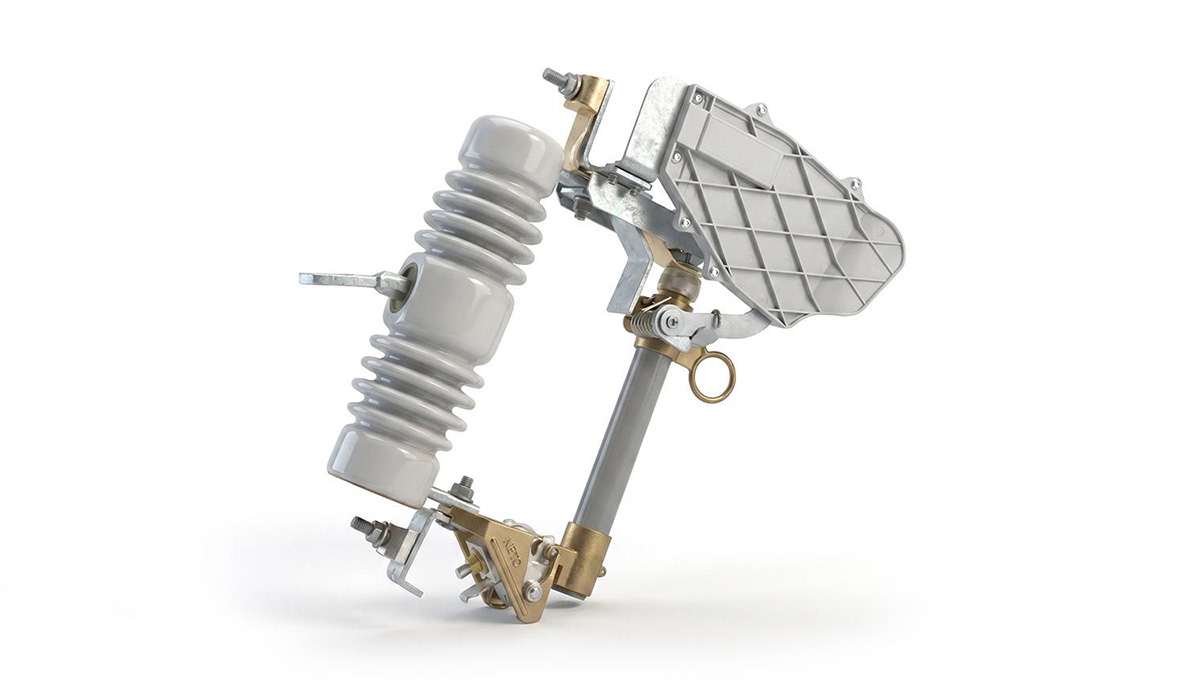
On an overhead distribution line, the transformer primary side needs a protection point that can respond to overcurrent conditions and also give crews a visible open after operation. A fuse cutout assembly does that by combining a fuse support and a fuse holder. When the correctly matched fuse link operates under fault current, the holder drops open automatically and creates a visible break.
This is why the device is widely used for pole mounted transformers, branch laterals, and tap lines. Many buyers still call it a drop-out fuse, and that term is common in the field. For transformer service, we do not treat it as a generic accessory.
This job is also very different from choosing indoor low voltage gear such as a load center. Overhead medium voltage protection has different environmental exposure, different fault duty questions, and a different coordination path.
Data to Collect Before Sizing a Distribution Transformer Fuse
Before we size a distribution transformer fuse, we ask for the application data that actually drives the answer.
Transformer data
We start with transformer kVA capacity, primary side voltage, expected loading, and allowed overload.
System and fault data
We also need the grounding method, the fault current level, and the upstream protective device arrangement.
Coordination references
We need magnetizing inrush behavior and the fuse link time current characteristic. That is the core of a proper coordination study.
| Data to collect | Why we need it | How it affects sizing |
| Transformer kVA capacity and primary voltage | Defines the protected equipment | Helps us frame the cutout class review and fuse link study |
| Magnetizing inrush | Prevents nuisance operation during energization | Screens fuse link behavior during normal transformer events |
| Load rate and allowed overload | Shows expected continuous duty | Helps avoid a fuse link that is too sensitive |
| Fault current level | Defines the severity of the fault duty | Confirms the cutout and link are reviewed for the actual service point |
| Upstream protective devices | Establishes the coordination path | Helps maintain selectivity with the rest of the line |
| Fuse link time current curve | Shows how the link will operate over time | Supports final protection coordination validation |
Step 1: Choose the Fuse Cutout Voltage Class
The first sizing step is the cutout body, not the fuse link.
Start with the network class
For our overhead porcelain range, we review whether the transformer is on a 15kV or 27kV overhead distribution network.
Do the full electrical review
We do not approve the cutout by voltage label alone. We still check rated maximum voltage, BIL, withstand level, grounding method, fault duty, frequency, installation method, fuse link coordination, and creepage requirement.
Confirm the outdoor installation conditions
Transformer primary protection sits outside, so contamination, wildlife contact, lightning related events, and the general pole top environment all matter.
Step 2: Determine Transformer Fuse Rating and Fuse Link Selection
Once the cutout class is screened, we move to the fuse link. This is where transformer fuse rating decisions are usually won or lost.
Begin with actual transformer behavior
We do not size the link from transformer kVA alone. We review the transformer inrush, the normal load rate, and the overload the owner will accept before a protective operation should occur. That is why 100 kVA transformer fuse size does not have one universal answer. The transformer size matters, but the line conditions and coordination target matter too.
Compare the link curve to the application
The fuse link has to survive normal energization behavior while still responding properly to real faults and overload conditions. In practice, that means comparing the link time current characteristic to the transformer duty and the system expectations. If the link is too aggressive, normal transformer events may operate it. If it is too permissive, the protected equipment may not get the protection the project expects.
Finish with a coordination check
We always bring the fuse link back into the protection coordination study. That review includes downstream fault behavior, upstream protective devices, and the final time current relationship across the protection path. A distribution transformer fuse should not be chosen by rule of thumb when the coordination study is what determines whether it works.

Standard or Loadbreak for Transformer Service
This choice should be made before the order is released.
Standard cutout
A standard cutout provides overcurrent protection and a visible open point after the fuse link operates. For many transformer primary applications, that is enough.
Loadbreak cutout
A loadbreak cutout includes the means to interrupt load current. If the operating practice for that transformer location expects switching under load, we recommend reviewing loadbreak requirements early instead of treating both types as interchangeable.
Porcelain or Polymer, What Insulator Material Fits the Job
Both porcelain and polymer solutions can be valid for outdoor distribution. Polymer designs may offer lower weight and better impact resistance. Porcelain has a long field history, and some utilities and specifications still prefer it for that reason.
For projects that call for porcelain construction, we often recommend our MTFP series porcelain fuse cutout. This series uses porcelain insulation, high strength construction, and an automatic dropout structure, with an optional lightning shield available when the project requires it. Common references in the line include MTFP1-15-100, MTFP1-27-100-330, MTFP1-27-100-480, MTFP-15-200-LB, and MTFP-15-300-LB.
Common Sizing Mistakes We See
The first mistake is selecting by nominal voltage only. The second is answering a fuse for transformer request from kVA alone, without checking inrush, loading, or coordination. The third is assuming every drop-out fuse on an overhead line can also be used for routine load switching.
We also see buyers skip the fuse link curve review and focus only on the cutout body. That misses the real operating behavior. Another common mistake is asking the cutout to solve surge protection by itself. A fuse cutout protects against overcurrent. It is not a surge arrester.
Coordination Beyond the Transformer
A transformer cutout is one protection point on the structure, not the whole protection scheme.
If the project also needs lightning related protection, that should be handled with a correctly selected arrester and proper coordination with the line design. For projects that review both items together, we often discuss our MTLA10 series lightning protector alongside the cutout so the customer is not expecting one device to do the other device’s job.
We also review the upstream device arrangement at the same time. The selected cutout and fuse link have to fit the transformer, but they also have to fit the upstream protective path so the line remains coordinated.
FAQ
We choose it through a protection coordination study. We review transformer kVA, primary voltage, magnetizing inrush, loading, allowed overload, fault current, upstream devices, and the fuse link time current curve before confirming the selection.
No. The final answer still depends on the transformer primary voltage, inrush behavior, loading, fault level, and coordination with the rest of the line.
A standard cutout provides protection and a visible open point. A loadbreak cutout includes the means to interrupt load current. The right choice depends on whether the transformer location is expected to be switched under load.
No. A fuse cutout provides overcurrent protection. Lightning and surge protection should be handled by a properly selected arrester and coordinated line design.
Please send the transformer data, system voltage, fault current level, grounding method, BIL and creepage requirements, fuse link requirements, cutout type, insulator preference, and installation details.
If you are sizing transformer primary protection for an overhead line, email sales@chinameto.com with your project data. We can review the cutout class, the fuse link coordination path, and recommend the right MTFP series porcelain fuse cutout for your quotation package.
Need custom technical support or quotation? Contact our engineering team now.

--- END ---
In this blog
Latest Articles


Newsletter
Never miss an update by signing up to our newsletter.