

What Is a Load Center? Types, Components, and How to Choose One?
August 4, 2026A load center is one of the most important components in a low-voltage electrical distribution system. Often called a breaker box or residential electrical panel, it receives incoming electrical power and distributes that power safely to individual branch circuits. Each circuit is protected by a circuit breaker designed to interrupt current when an overload or short circuit occurs.
Load centers are used in homes, apartments, small commercial buildings, workshops, and light industrial facilities. Selecting the correct unit requires attention to voltage, current, phase, circuit capacity, fault rating, enclosure type, grounding, and local requirements. This guide explains the essentials for professional buyers.
A Complete Guide for Electrical Buyers and Contractors
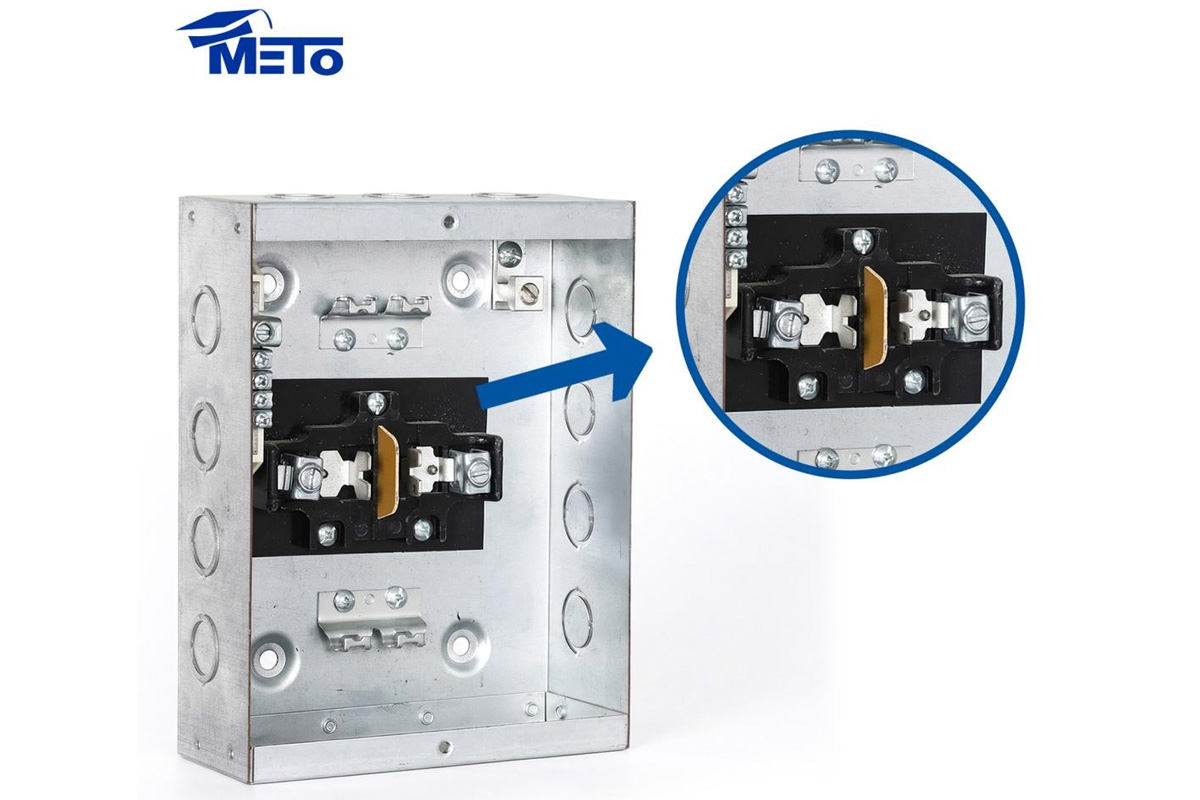
A load center is a metal or nonmetallic enclosure that contains bus bars, circuit breakers, connection points for conductors, and grounding or neutral terminals. It serves as the central distribution point between the utility supply or upstream service equipment and the building’s branch circuits.
Power enters the load center through main conductors. Depending on the design, these conductors connect to a main breaker or directly to the bus assembly in a main-lug-only unit. Plug-in or bolt-on branch circuit breakers connect to the bus bars and deliver power to lighting, receptacles, appliances, HVAC equipment, motors, and other loads.
Load center and panelboard are sometimes used interchangeably. A load center usually means a compact, standardized residential or light commercial panel, while panelboard can describe a broader range of commercial and industrial equipment. Because terminology varies, compare actual ratings and construction rather than relying only on the name.

How Does a Load Center Work?
A load center divides an incoming electrical supply into multiple protected circuits. In a typical single-phase system, energized conductors feed the main disconnect or main lugs and then energize the bus bars. Circuit breakers mounted on the bus bars control individual branch circuits. The neutral conductors terminate on a neutral bar, while equipment grounding conductors terminate on a grounding bar according to the installation design and applicable code.
When current exceeds a breaker’s rating, its thermal element responds to the overload. A magnetic mechanism can react rapidly to high fault current. Opening the circuit helps reduce overheating, equipment damage, and fire risk. Specialized breakers may also provide ground-fault or arc-fault protection.
The load center does not generate electricity and does not regulate normal voltage. Its primary functions are distribution, switching, isolation, and overcurrent protection. Correct coordination between the panel rating, breakers, conductor sizes, and available fault current is therefore essential.
Main Components of a Load Center
Enclosure and Cover
The enclosure protects energized components from accidental contact and environmental exposure. Indoor models are commonly designed for dry locations, while outdoor models use weather-resistant construction suitable for the stated enclosure rating. The cover may include a hinged door and removable dead front that allows access to breaker handles while shielding live parts.
Main Breaker or Main Lugs
A main-breaker load center includes a primary disconnect and overcurrent protective device. A main-lug-only load center has incoming terminals but no integral main breaker, so protection and disconnection must be provided upstream when required. The correct configuration depends on whether the unit is service equipment, a downstream distribution panel, or part of another approved system.
Bus Bars
Bus bars carry current from the incoming supply to the branch breakers. Their material, plating, mechanical support, temperature performance, and current rating affect reliability. Copper and aluminum bus constructions are both used in the market; the important point is that the complete assembly is properly rated and compatible with the specified breakers.
Circuit Breakers
Branch breakers protect individual circuits. Common configurations include single-pole, double-pole, and, in certain systems, three-pole breakers. Buyers must use breaker types specifically listed or approved for the load center. Physical fit alone does not prove electrical or regulatory compatibility.
Neutral and Ground Bars
The neutral bar provides termination points for grounded circuit conductors, while the ground bar connects equipment grounding conductors. Whether neutral and ground are bonded or isolated depends on the panel’s position in the electrical system and local requirements. Improper bonding can create objectionable current paths and a serious shock hazard.
Common Types of Load Centers
Load centers come in several configurations. The right type depends on how the panel is used and where it is installed.
Main Breaker and Main Lug
A “main-breaker load center” includes a main disconnect inside the enclosure. It is commonly used where the panel serves as service equipment or where a local disconnect is required.
A “main-lug-only load center” does not include a main breaker. It is often used as a downstream panel when protection and disconnection are already provided by upstream equipment.
Single-Phase and Three-Phase
Load centers can also be selected by electrical system.
Single-phase models are common in residential and light commercial applications. Three-phase distribution equipment is used where the incoming supply and connected loads require a three-phase system.
Indoor and Outdoor
The installation environment also affects the choice.
Indoor load centers are designed for protected locations. Outdoor models use enclosures suited to exposure to weather and other environmental conditions.
Surface and Flush Mounting
Some load centers are designed for surface mounting. The enclosure sits on the face of the wall.
Flush-mounted models are installed partly inside the wall. This creates a cleaner appearance and reduces how far the panel projects into the room.
Spaces and Circuit Capacity
A “space” refers to a physical breaker position inside the load center. Total circuit capacity, however, depends on the breaker arrangement approved for that specific panel.
For this reason, two load centers with similar enclosure sizes may support different numbers of circuits. Always check the manufacturer’s technical data before selecting a model.
Load Center vs. Meter Socket vs. Safety Switch
A meter socket holds the utility revenue meter and provides the electrical interface needed for energy measurement. A load center distributes power to protected branch circuits. A safety switch provides a visible or dedicated means of disconnecting a circuit and may include fuses. These products can appear near one another in a service installation, but each has a different function.
Combination equipment may integrate metering and distribution. Confirm what is included, where the disconnect is located, and which ratings apply to the complete assembly.
How to Select the Right Load Center?
1
Confirm the Electrical System
Start with nominal voltage, frequency, phase, and wiring arrangement. The load center must match the power system and the connected loads. A unit designed for one system should never be adapted to an incompatible supply.
2
Determine the Required Current Rating
Select the panel and main device rating from a proper load calculation, service requirements, conductor capacity, and applicable rules. Consider future expansion, while coordinating every component in the circuit.
3
Check Spaces and Circuit Capacity
List the present branch circuits, required pole configurations, dedicated loads, and realistic future additions. Allowing spare spaces can make later expansion easier and reduce the need for premature replacement. Verify the manufacturer’s approved breaker combinations and maximum circuit count.
4
Verify the Short-Circuit Rating
The equipment and breakers need a short-circuit rating suitable for the available fault current. This is different from the normal ampere rating. A qualified professional should determine the required rating and any series-rated combination conditions.
5
Choose the Correct Enclosure
Select an enclosure appropriate for indoor, outdoor, wet, dusty, corrosive, or other site conditions. An outdoor label alone does not mean suitability for every harsh environment. Review the enclosure rating, mounting orientation, cable entry, drainage provisions, corrosion protection, and ambient conditions.
6
Confirm Breaker Compatibility and Certification
Use only approved breaker families and accessories. Buyers should request product documentation showing applicable certifications, ratings, wiring diagrams, and installation instructions for the target market. Requirements differ across countries and utilities, so certification should be verified for the actual destination and application rather than assumed from a similar model.
Installation and Safety Considerations
Installing a load center involves hazardous voltage and should be handled by qualified personnel. Proper isolation and verification are essential before work begins. Grounding, torque requirements, and personal protective equipment should also follow the applicable procedures.
Keep in mind that parts of the service equipment may still be energized even when the main breaker is switched off.
Conductor sizing and termination also need close attention. Loose connections can generate heat and may damage the equipment over time. Conductors should match the terminal material and the approved wire range. Terminal screws and lugs should be tightened to the specified torque.
Cable entries matter as well. Knockouts, hubs, fittings, and other entry points should be installed correctly. They need to protect the conductors and maintain the intended enclosure protection.
After installation, complete the circuit directory clearly. Each branch circuit should be easy to identify.
The panel also needs adequate working space and safe access. Mounting height and protection from physical damage should be considered during installation.
Requirements can vary by location and application. Always follow the manufacturer’s instructions and the rules of the local authority having jurisdiction.
Frequently Asked Questions
1. Is a load center the same as a breaker box?
In everyday use, yes. Breaker box, electrical panel, and load center often describe the same residential or light commercial distribution unit. Technical terminology may differ by region and product standard.
2. Can a load center be used outdoors?
Only when the complete product has an enclosure rating suitable for the installation environment and is installed according to its instructions. Indoor-only equipment should not be placed outdoors.
3. Can any breaker fit in any load center?
No, a breaker must be specifically approved for use with the panel. Similar appearance or the ability to snap onto the bus does not establish compatibility.
4. How many circuits should a load center have?
The answer depends on the load calculation, number of branch circuits, pole requirements, and planned expansion. Choose a panel with adequate approved capacity rather than counting only current breaker positions.
Conclusion

--- END ---
Already the first article
Next: What Is a GFCI Outlet? Complete Guide to Ground Fault Protection and Testing
In this blog
Latest Articles


Newsletter
Never miss an update by signing up to our newsletter.