

What Are Wiring Devices? Types, Uses and Buying Considerations
October 1, 2026Wall outlets and switches are used throughout homes, offices, and commercial buildings to connect electrical equipment and control power. While these devices may seem simple, choosing the right one requires attention to electrical ratings, safety features, and installation conditions. Different applications may call for standard receptacles, USB charging outlets, GFCI protection, or specific switch configurations. Understanding these differences can help buyers select products that meet their project requirements.
This article looks at the wiring devices most often specified for North American projects, including GFCI receptacles, USB outlets, and wall switches, along with the practical details worth checking before purchase.
What Counts as a Wiring Device?
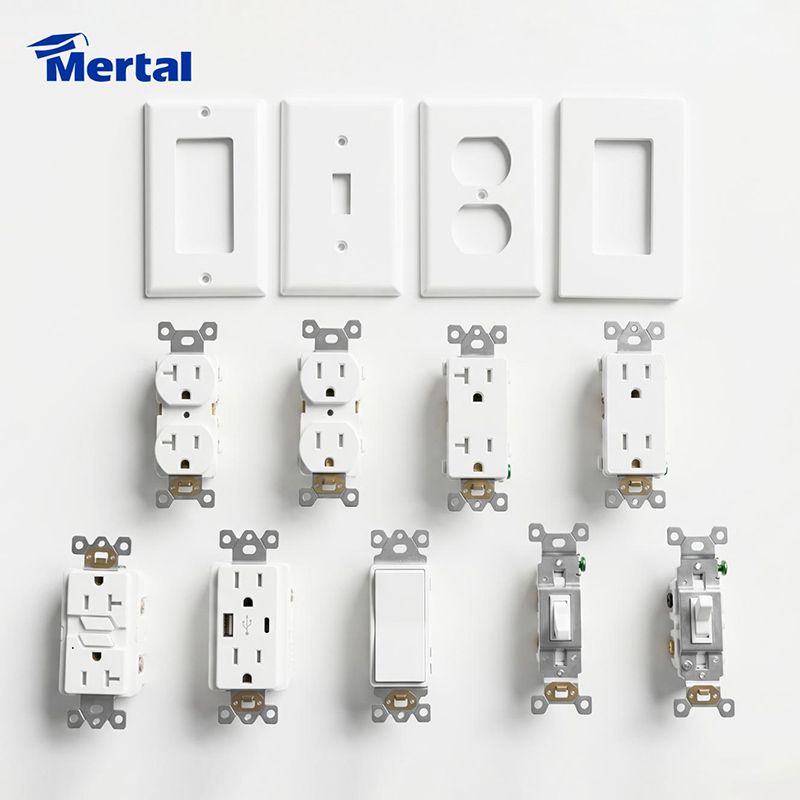
In building electrical systems, wiring devices generally refer to components installed to connect equipment to power or control a circuit. Receptacles provide access to branch-circuit power, while switches let users operate lighting and other connected loads. Some receptacles also incorporate features such as ground-fault protection or USB charging.
Common examples include standard receptacles, GFCI receptacles, USB receptacles, wall switches, and specialty designs such as weather-resistant or tamper-resistant devices. Although they may look similar from the outside, their ratings and intended uses are not necessarily interchangeable.
Common Types of Wiring Devices
GFCI Receptacles
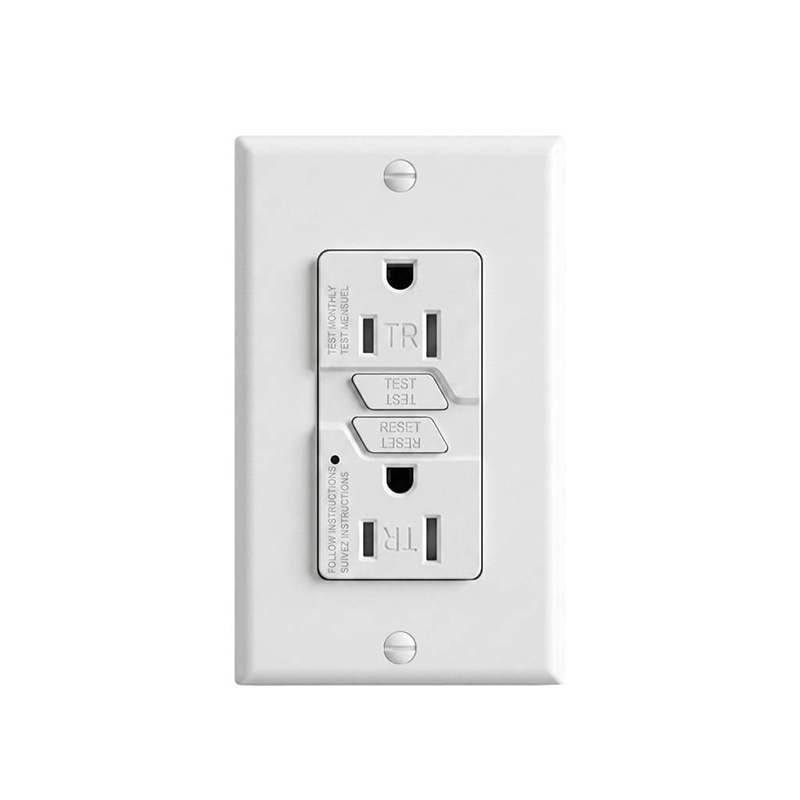
Ground Fault Circuit Interrupter (GFCI) receptacles are intended to reduce the risk of electric shock from ground faults. They monitor the current flowing through the circuit conductors and interrupt power when a qualifying imbalance is detected. The familiar TEST and RESET buttons make these devices easy to recognize.
GFCI protection is particularly relevant in areas where moisture or contact with grounded surfaces can increase shock risk. Kitchens, bathrooms, garages, outdoor locations, commercial washrooms, and utility spaces are typical examples, subject to the electrical code governing the installation. Some models also offer tamper-resistant construction.
When comparing GFCI receptacles, check the voltage and current rating, the installation location, and the listing information for the exact model. A standard receptacle should not be treated as a substitute for a device that provides GFCI protection.
USB Receptacles
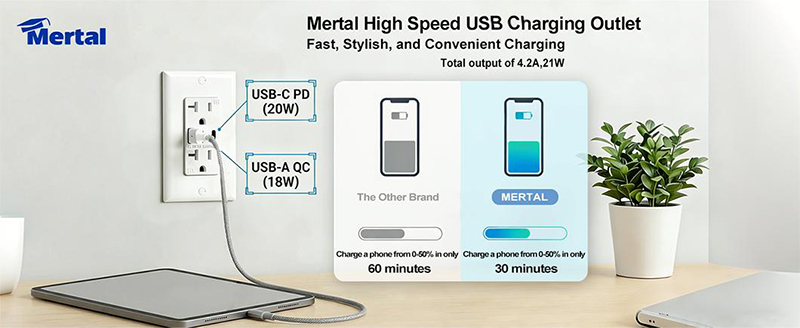
USB receptacles combine an AC outlet with built-in charging ports, reducing the need for separate wall adapters. They are useful in bedrooms, home offices, hotel rooms, conference rooms, and other places where phones and similar devices are regularly charged.
Depending on the model, ports may be USB-A, USB-C, or a combination of the two, with different available charging outputs. For purchasing decisions, the port layout alone is not enough. Compare the stated charging output, AC receptacle rating, available box space, and installation requirements to make sure the device suits the intended use.
Wall Switches
Wall switches provide straightforward control of lighting and other suitable electrical loads. A single-pole switch controls a circuit from one location, while three-way and four-way arrangements are used where control is needed from multiple locations. Decorator and combination designs offer additional layout choices.
Switch selection starts with the wiring arrangement and the load being controlled. Voltage, current rating, load compatibility, box fit, and terminal configuration should all match the project. Finish and color matter for the final installation, but they should come after the electrical specifications.
Where These Devices Are Used
A residential project may call for standard receptacles throughout living spaces, GFCI protection in code-specified locations, and USB charging outlets where convenience is a priority. The switching arrangement will vary with the lighting layout and the number of control points.
In commercial settings, offices, hotels, retail stores, and restaurants may use many of the same device categories, but purchasing decisions often place greater emphasis on consistent specifications, durability, and replacement availability. Schools, universities, and healthcare facilities may have additional installation or facility-specific requirements.
Industrial buildings also use general-purpose wiring devices in appropriate areas such as offices and maintenance rooms. Locations exposed to harsher conditions, mechanical stress, or particular hazards may need specialized industrial-grade equipment instead.
How to Choose Wiring Devices for a Project
Start with the circuit rather than the product photo. The device must have a suitable voltage and current rating for its intended application. Common North American receptacle configurations include 15A and 20A, 125V products, although other ratings and configurations are used for different purposes.
Next, look at the installation. Check device dimensions, terminal arrangement, wall-box compatibility, and wiring method. A device that meets the electrical rating may still be unsuitable if it does not fit the intended enclosure or installation requirements. Follow the applicable electrical code and the manufacturer’s instructions.
Product certification is another point to verify, especially for distribution in the United States and Canada. Standards referenced for these categories include UL 498 for attachment plugs and receptacles, UL 943 for ground-fault circuit interrupters, UL 20 for general-use snap switches, and applicable CSA C22.2 standards for Canadian requirements. The relevant standard depends on the product and application. Ask for certification details tied to the exact model rather than relying on a general statement in a supplier brochure.
Finally, consider the device’s construction and everyday use. Insulating and conductive materials, mechanical durability, and documented testing can affect long-term performance. For USB outlets, charging output may be a deciding factor; for switches, the circuit configuration and load type come first; for GFCI receptacles, the required protective function is central to the choice.
Why Product Quality Matters
Wiring devices are handled repeatedly and often remain in service for years. Poor connections, premature mechanical wear, or inappropriate product selection can lead to inconvenient operation, extra maintenance, and potentially unsafe conditions. Suitable, tested products installed correctly help support dependable connections and controls over time.
For distributors and contractors ordering in volume, consistency matters just as much as the performance of a single sample. Clear specifications, reliable production quality, and traceable model information make it easier to source replacements and keep multiple projects aligned.
What B2B Buyers Should Ask a Manufacturer
A broad product range can simplify purchasing, particularly when a project needs GFCI receptacles, USB outlets, standard receptacles, and wall switches. But catalogue breadth should not be the only consideration. Ask what inspections and product tests are carried out, and request dimensional drawings, electrical specifications, and installation instructions for the models under review.
Certification documentation should identify the specific products being purchased. For repeat orders, buyers should also discuss manufacturing capacity, minimum order quantities, lead times, and shipping arrangements. If private labeling or product customization is part of the plan, confirm the supplier’s available OEM or ODM services and the technical limits of those options before placing an order.
Frequently Asked Questions
What are wiring devices used for?
They provide connection points for electrical equipment or allow users to control connected loads. Some also add functions such as ground-fault protection or USB charging.
How is a GFCI receptacle different from a standard receptacle?
A GFCI receptacle monitors current for qualifying ground-fault conditions and interrupts power when one is detected. A standard receptacle does not have that built-in protective function.
Can USB receptacles be used in commercial buildings?
Yes, provided the selected model has suitable ratings and listing information and is installed in accordance with applicable requirements. Offices, hotels, and conference rooms are common applications.
Which wall switch types are most common?
Single-pole, three-way, and four-way switches are widely used. The correct choice depends on how many locations need to control the circuit and how it is wired.
Which certifications should US buyers check?
Relevant standards may include UL 498, UL 943, and UL 20, depending on the device type. Verify the actual certification or listing status for each model being considered.
How should I evaluate a wiring device supplier?
Compare product specifications, testing and quality controls, model-specific certification records, documentation, delivery capabilities, and the level of technical support available.
Choosing Products That Fit the Installation
The right wiring device is the one that matches the circuit and installation conditions while providing the features the user actually needs. Checking ratings, mounting details, protective functions, and model-specific compliance information early can prevent specification problems later in a project.
Explore Wiring Devices from Meto
Meto offers wiring device options for residential and commercial applications, including GFCI receptacles, USB receptacles, and wall switches. Browse our product range or contact the Meto team for model specifications, purchasing details, and information on available options.

--- END ---
In this blog
Latest Articles


Newsletter
Never miss an update by signing up to our newsletter.