
 Contact Expert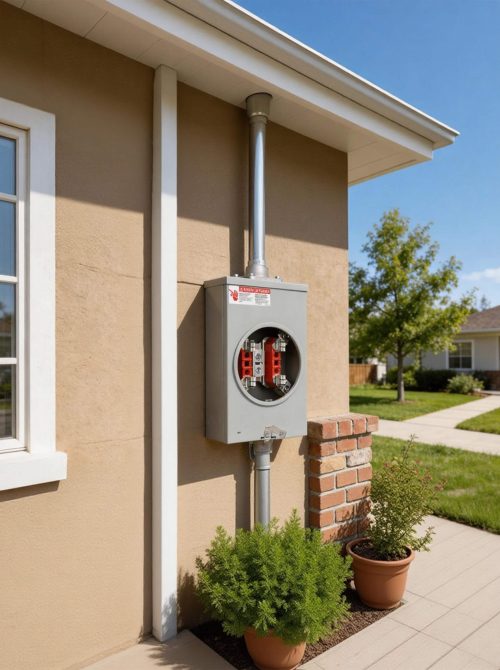
Expert Guide to Electrical Meter Sockets
A plant expansion usually starts with the visible equipment. New MCC sections. New VFDs. A larger transformer. Maybe a utility service upgrade for added process heat, compressors, or packaging lines.
Then the project hits the service entrance, and the supposedly simple electrical meter socket becomes a schedule risk.
That point matters more than many teams expect. The meter socket is where the utility hands power into the facility under its rules, not yours. In industrial work, that means the choice affects utility approval, service capacity, shutdown planning, panel integration, and how cleanly the job moves from design to energization. A bad selection can force field changes long after the concrete is poured and the gear is landed.
Most online information about electrical meter sockets stays in the residential lane. Industrial teams need something different. OEMs, packagers, and plant engineers deal with larger services, current transformer arrangements, coordination with utility metering departments, and layouts that must coexist with UL control panels, MCCs, switchboards, and modular electrical buildings. That need is real. Industrial guidance is notably underserved, even as electrification is pushing demand toward 400A to 600A sockets, often CT-rated and integrated with current transformers for monitoring and cost control, as noted by IndexBox on industrial meter socket demand and electrification.
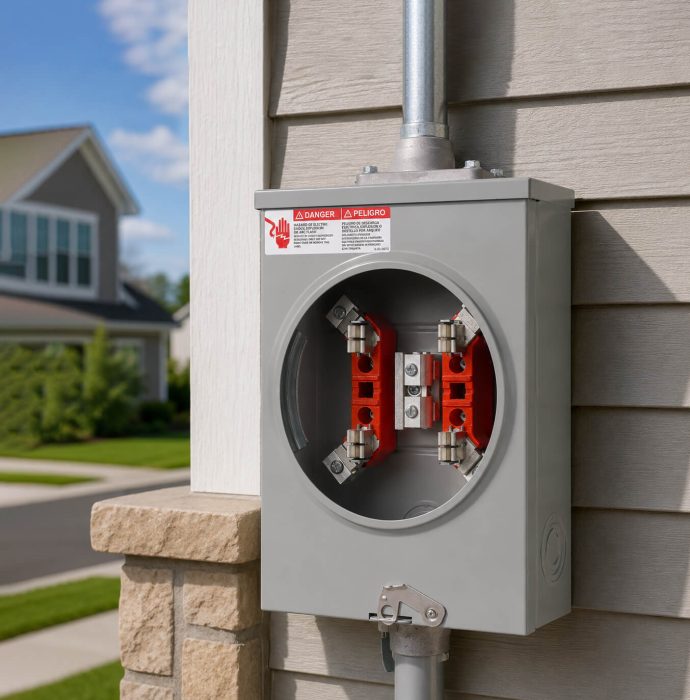
In practice, the meter socket is not a commodity box. It is the utility-facing gateway for your entire power distribution chain.