

Understanding NEMA Enclosure Ratings for Outdoor Electrical Equipment
October 19, 2026NEMA enclosure ratings are an important consideration when selecting electrical equipment for outdoor installations. They indicate the level of protection an enclosure provides against environmental conditions such as rain, dust, and water exposure.
For example, NEMA 3R enclosures are commonly used for outdoor meter sockets and electrical distribution equipment because they provide protection against rain, sleet, and external ice formation under specified test conditions. However, a NEMA 3R rating does not mean the enclosure is designed to withstand pressure washing or direct water jets.
The appropriate enclosure rating depends on the installation environment and the type of exposure the equipment is likely to experience. Proper installation is also important, as the enclosure’s protective performance depends on following the manufacturer’s mounting and installation requirements.
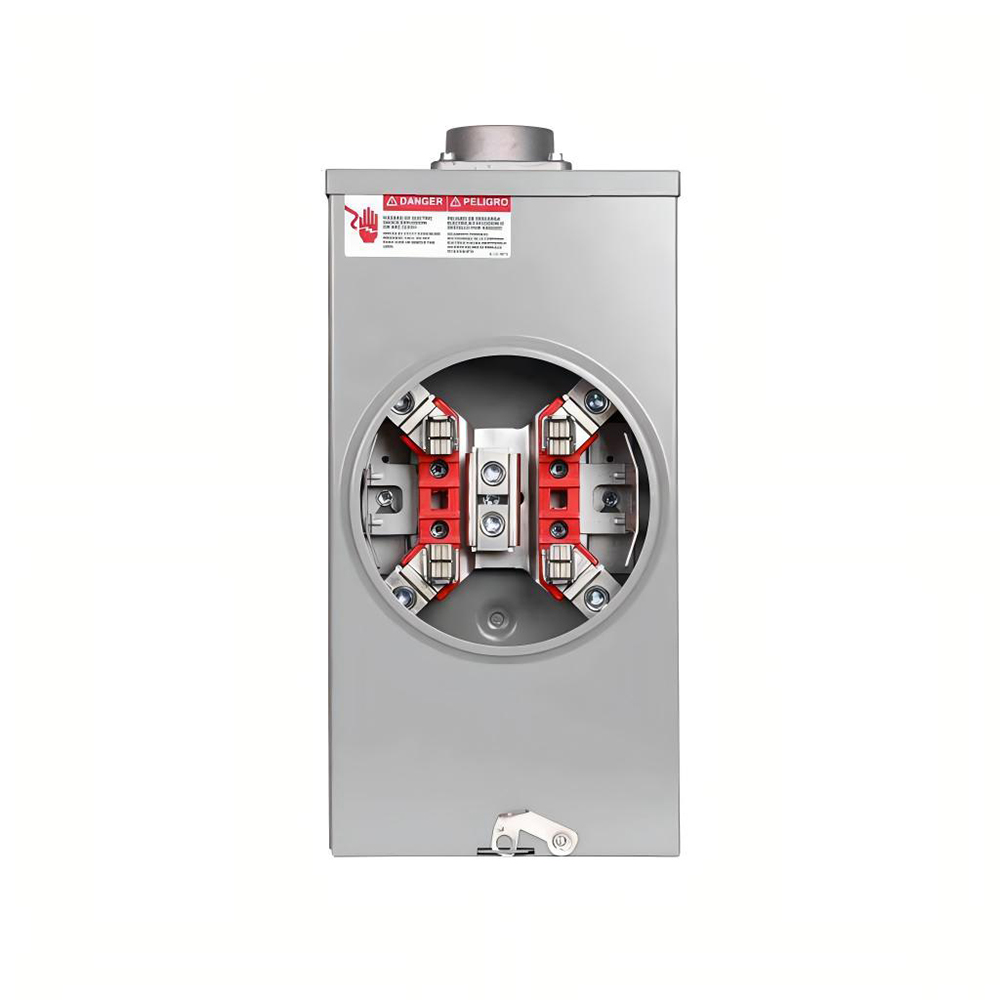
What the number covers and what it does not
The rating is a construction and test claim about the box. It describes resistance to water, to dust, to ice, and in some types to corrosion. It does not describe the breaker, the socket jaws, the bus, or the terminals.
| Type | Location | Water | Dust and Foreign Objects | Typical Position |
|---|---|---|---|---|
| 1 | Indoor | None | Falling dirt, hand contact | Service rooms, dry closets |
| 3 | Outdoor | Rain, sleet, snow | Windblown dust, ice resistant | Pole and wall mounts |
| 3R | Outdoor | Rain, sleet, snow | Not dust tight, ice resistant | Meter sockets, service switches |
| 4 | Indoor or outdoor | Hose directed | Dust tight | Washdown areas |
| 4X | Indoor or outdoor | Hose directed | Dust tight, corrosion resistant | Coastal, chemical exposure |
The claim also holds only for the enclosure as tested. Gaskets, covers, hinges, and hardware are part of it. A missing screw or a gasket replaced with sealant is no longer the rated assembly, even though the label still reads 3R.
Where the rating is silent
Nothing in the number speaks to fault current, to terminal torque, or to whether the cover can be opened for a meter change without tools. Those come from other parts of the product data.
NEMA 1: Protection for Indoor Electrical Equipment
NEMA Type 1 enclosures are intended for indoor use. They provide basic protection against access to hazardous parts and the entry of falling dirt, making them suitable for dry electrical rooms, closets, and other protected indoor locations.
Type 1 enclosures are not designed to protect equipment from rain or other outdoor moisture. Even when an electrical box is installed beneath a roof or overhang, wind-driven rain and changing weather conditions can still expose it to water.
For outdoor installations, an enclosure specifically rated for the expected environmental conditions is generally required.
NEMA 3R: A Common Choice for Outdoor Electrical Equipment
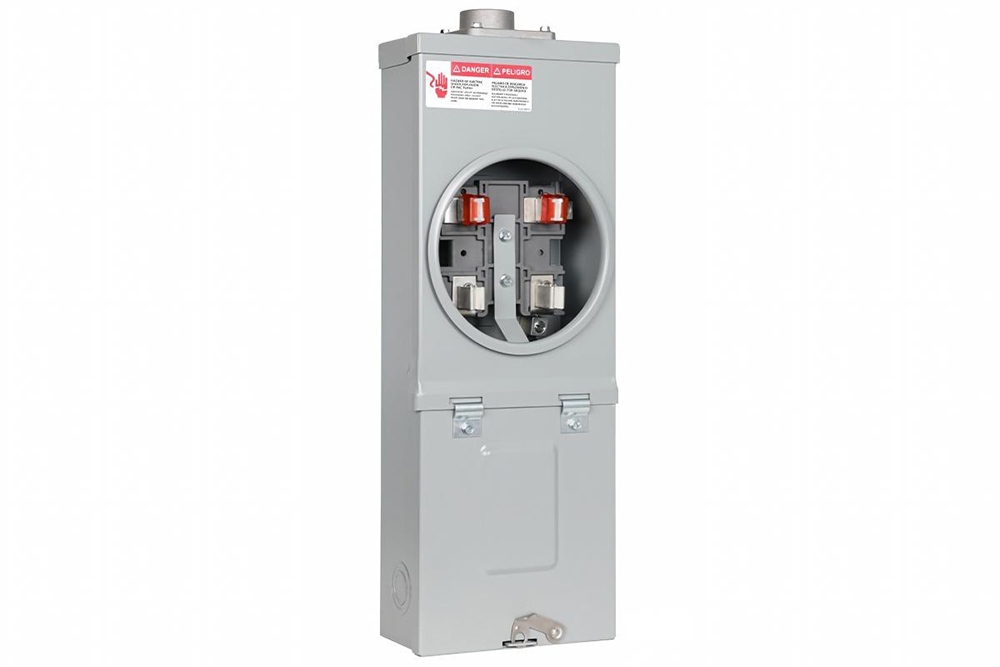
NEMA 3R is widely used for outdoor meter sockets, load centers, and service equipment. It provides protection against falling rain, sleet, and snow, as well as damage caused by external ice formation.
This makes it suitable for many common outdoor electrical installations, including equipment mounted on exterior walls, poles, and concrete pads.
However, NEMA 3R does not provide the same level of protection against dust or directed water as NEMA 4. It should not be selected for applications involving regular hose-down cleaning or pressure washing unless the complete installation is specifically suitable for those conditions.
Why NEMA 3R Is Commonly Used for Meter Sockets
Most outdoor metering equipment needs protection from normal weather exposure rather than industrial washdown conditions.
For these applications, NEMA 3R often provides an appropriate level of enclosure protection without the additional construction features required for more demanding environments.
CHINAMETO offers a range of meter sockets for electrical distribution applications. When choosing a meter socket, consider the enclosure rating alongside the service voltage, current rating, and utility requirements.
Our meter socket buyer guide explains the other specifications worth checking before ordering.
NEMA 4 and 4X: Protection for More Demanding Environments
NEMA 4 enclosures provide protection against windblown dust, rain, sleet, snow, and water directed at the enclosure by a hose under specified test conditions.
They are often used in industrial facilities or outdoor locations where electrical equipment may be exposed to more frequent water contact than a typical NEMA 3R installation.
NEMA 4X provides similar environmental protection with additional corrosion resistance. This makes it a common option for coastal installations, food processing facilities, and other locations where moisture or corrosive substances may be present.
The higher protection level also affects enclosure design. Sealed cabinets may require additional attention to internal temperatures, particularly when they contain heat-generating electrical components.
When Is NEMA 4X Worth Considering?
Coastal environments, chemical exposure, and frequent cleaning can create corrosion problems for electrical enclosures.
In these conditions, materials such as stainless steel or suitable non-metallic construction may provide better long-term protection than standard painted steel.
However, the enclosure material still needs to be compatible with the specific chemicals and environmental conditions at the site.
Before choosing NEMA 4X, consider the expected exposure, cleaning methods, operating temperature, and maintenance requirements. The appropriate material and enclosure design are just as important as the rating itself.
How Installation Conditions Affect Enclosure Protection
An enclosure’s NEMA rating describes its tested protective characteristics, but the way it is installed can affect its performance.
Two identical outdoor enclosures may experience different conditions depending on their location. Equipment mounted under a roof may receive less direct rainfall than equipment installed on an exposed pole or an open concrete pad.
Cable entries, mounting orientation, drainage, and direct sunlight also need attention.
Conduit Entries and Water Protection
Conduit openings are a common area to check when installing outdoor electrical enclosures.
Water can enter through improperly installed fittings, especially where conduits enter from above or where the surrounding installation allows moisture to collect.
Use fittings approved for the enclosure type and installation conditions, and follow the manufacturer’s instructions for conduit entry locations and sealing.
Where permitted by the equipment design, side or bottom entries may help reduce exposure to water entering from above.
Sunlight and Internal Temperature
Outdoor electrical enclosures can become hot when exposed to direct sunlight, particularly on south-facing walls or in areas with limited shade.
Higher internal temperatures can affect the operating conditions of circuit breakers and other electrical components.
When selecting an enclosure, review the equipment’s temperature ratings, expected electrical load, and installation environment.
For sealed enclosures, additional thermal considerations may be necessary to keep internal components within their specified operating limits.
Choosing the Right NEMA Rating for Outdoor Meter Sockets
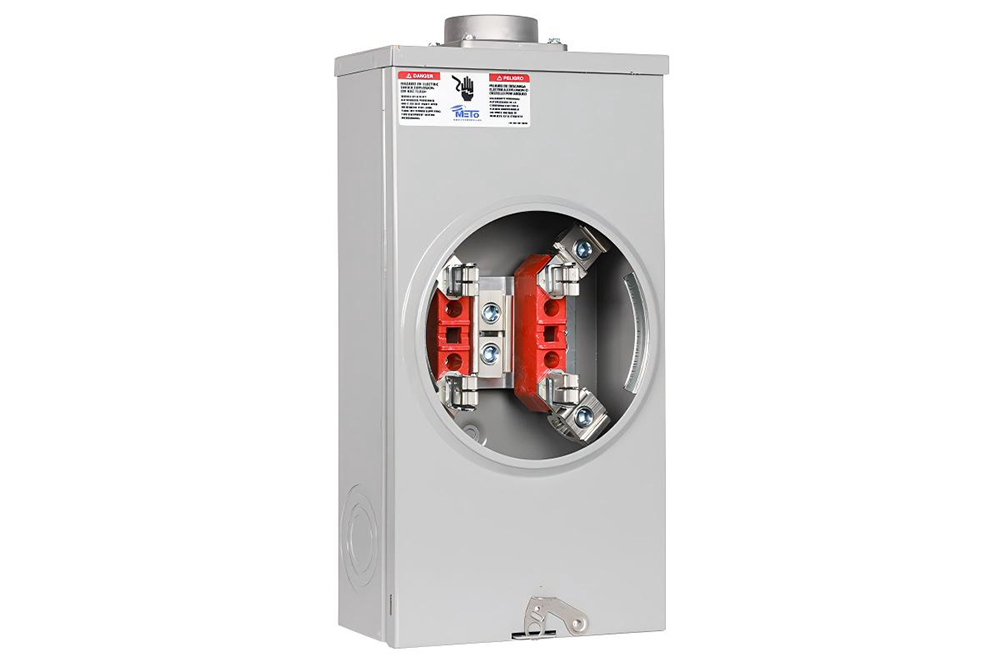
Outdoor meter sockets are commonly supplied with NEMA 3R enclosures, but the appropriate rating depends on the installation environment and local requirements.
A sheltered location may have less exposure to direct rain, although an overhead canopy does not automatically make an installation suitable for an indoor-rated enclosure.
The local utility and authority having jurisdiction may also specify the enclosure type, mounting arrangement, and other requirements for metering equipment.
For exposed outdoor locations, confirm that the meter socket is rated for the expected weather conditions and accepted by the utility.
If the installation includes an outdoor disconnect, its enclosure should be selected according to the same environmental considerations.
CHINAMETO offers an MT-S 100A safety switch for electrical isolation applications. You can also review our safety switch selection guide for more information about switch configurations and enclosure requirements.
Checking NEMA Ratings and Electrical Specifications
A suitable enclosure rating is only one part of selecting outdoor electrical equipment.
The equipment must also meet the electrical requirements of the installation, including the rated voltage, current capacity, and applicable short-circuit ratings.
For example, a load center with a NEMA 3R enclosure may be suitable for outdoor installation, but its busbar rating and approved circuit breakers must still match the electrical system.
Likewise, equipment with the correct electrical ratings may not be suitable for an exposed outdoor location if its enclosure is intended for indoor use.
CHINAMETO’s load center range includes products for different distribution applications. Our load center buyer guide covers the main electrical and installation specifications to review.
If you are comparing equipment for a particular project, you can contact CHINAMETO with your electrical requirements and installation conditions for assistance.
Selecting the Right Enclosure for Your Installation
Choosing a NEMA enclosure rating depends on where the equipment will be installed and the conditions it needs to withstand. NEMA 1 is generally intended for dry indoor locations, while NEMA 3R is commonly used for outdoor metering and distribution equipment exposed to normal weather. NEMA 4 and 4X provide additional protection for installations involving directed water, dust, or corrosive conditions.
Along with the enclosure rating, check the equipment’s voltage, current, and short-circuit ratings to make sure the complete assembly is suitable for the application.
CHINAMETO supplies meter sockets, load centers, and safety switches for a range of electrical distribution applications. Before ordering, review the product datasheet and confirm the enclosure type and electrical specifications against the site’s requirements.
For custom inquiries, certified drawings, or outdoor enclosure configurations, connect with our engineering team via the CHINAMETO contact page.

--- END ---
Prev: Plug-In Circuit Breakers in North American Electrical Panels
Already the latest article
In this blog
Latest Articles


Newsletter
Never miss an update by signing up to our newsletter.