

Comparing Single-Phase and Three-Phase Pad-Mounted Transformers
October 13, 2026Choosing between a single-phase and a three-phase pad-mounted transformer depends mainly on the electrical loads your site needs to support.
Residential buildings and smaller commercial properties often use single-phase service, while industrial facilities may need three-phase power for motors, pumps, and other equipment. However, the size of a project alone does not determine which transformer is suitable.
The decision also affects installation costs, electrical distribution, maintenance, and future expansion. Understanding these differences can help you select a transformer that meets your current needs without limiting how the site operates later.
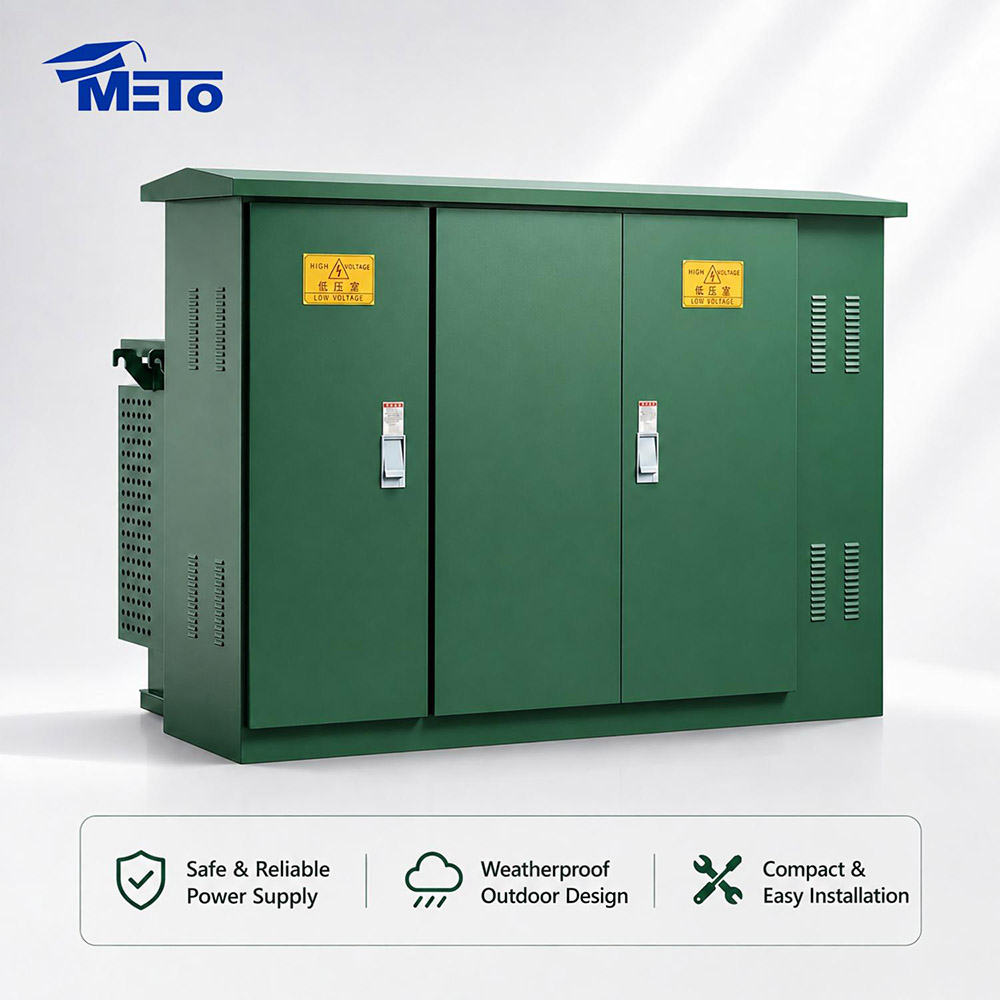
Understanding the Difference Between Single-Phase and Three-Phase Transformers
A single-phase transformer supplies single-phase power, while a three-phase transformer provides three-phase output through three interconnected phase windings.
The main difference is the type of electrical service each can support.
Single-phase transformers are commonly used for residential distribution, small buildings, and other locations with primarily single-phase loads. Three-phase transformers can supply three-phase equipment and, with a suitable secondary configuration, serve single-phase loads distributed across the phases.
The physical installation requirements can also differ. Depending on their ratings and design, three-phase units may require larger enclosures, heavier lifting equipment, and different foundation arrangements.
CHINAMETO offers both configurations in its pad-mounted transformer range, including oil-immersed models for underground distribution applications.
Start with the Electrical Load Requirements
Before comparing transformer models, review the equipment that will be connected to the electrical system.
The required voltage, phase configuration, and expected demand are more useful starting points than transformer capacity alone. A relatively small facility may need three-phase power, while a larger property with mostly residential loads may be served through single-phase connections.
When Three-Phase Power Is Needed
Three-phase power is commonly used for larger motors and industrial equipment, including pumps, compressors, HVAC systems, elevators, and machine tools.
If your site includes equipment designed for three-phase operation, the electrical service needs to accommodate those requirements.
In some cases, phase conversion equipment may be an option, but this adds cost and complexity. For installations with several three-phase loads, a properly designed three-phase distribution system is generally more practical.
When Single-Phase Power Is Suitable
Single-phase power is widely used for lighting, receptacles, household appliances, and smaller commercial loads.
Homes and individual residential units commonly receive single-phase service, even when they are part of a much larger development.
However, a property with many single-phase loads may still use a three-phase distribution system upstream. The final arrangement depends on the utility supply, load distribution, and electrical design.
The key is to identify which equipment requires single-phase or three-phase power before deciding how the transformer system should be configured.
Matching Secondary Voltage to Your Electrical System
Secondary voltage is another important consideration when selecting a pad-mounted transformer.
A single-phase, three-wire service and a three-phase, four-wire service have different connection arrangements. These differences affect the electrical panels, protective devices, and metering equipment used throughout the installation.
For example, a building designed for 120/240 V single-phase service has different requirements from a facility using 208Y/120 V three-phase service.
Before ordering a transformer, confirm that the secondary voltage and winding configuration match the approved electrical drawings and the equipment being supplied.
Metering requirements may also differ depending on the number of services and the distribution arrangement.
For projects with multiple residential or commercial connections, our meter socket buyer guide explains several factors to consider when selecting metering equipment.
When Single-Phase Pad-Mounted Transformers Make Sense
Single-phase pad-mounted transformers are often a practical choice for residential developments, rural distribution, and smaller buildings with no need for three-phase service.
For sites with loads spread across a large area, placing smaller transformers closer to individual buildings can help reduce the length of secondary cable runs.
This arrangement may also work well for developments built in stages. Additional transformers can be installed as new buildings are completed, provided the utility distribution system has been designed to support the planned expansion.
Another consideration is how an equipment failure affects the site. When separate buildings are served by individual transformers, a failure at one unit may leave other buildings unaffected.
CHINAMETO’s single-phase pad-mounted transformers are designed for distribution applications where single-phase service is required.
The suitability of this arrangement depends on the distance between loads, available primary supply, and the overall distribution design.
When a Three-Phase Transformer Is the Better Choice
Three-phase pad-mounted transformers are commonly used for commercial and industrial sites with three-phase equipment or larger, more concentrated electrical loads.
Where three-phase motors are part of the installation, providing the correct service directly can avoid the additional equipment and maintenance associated with phase conversion.
A single three-phase transformer may also simplify the installation when several loads are located close together. Depending on the site layout, it can reduce the number of transformer enclosures, foundations, and primary connections required.
However, the total installation cost should still be compared. Cable lengths, protective devices, metering arrangements, and utility requirements can all affect which option is more economical.
Load balancing is another consideration. A three-phase transformer supplying single-phase circuits allows the loads to be distributed across the available phases. Proper balancing helps limit voltage imbalance and manage neutral current.
For projects requiring three-phase distribution, CHINAMETO offers a range of three-phase pad-mounted transformers for different voltage and capacity requirements.
| Question | Points to Single-Phase | Points to Three-Phase |
|---|---|---|
| Three-phase motors on site | None present, none planned | Present, or expected later |
| Building sequence | Phased, one building at a time | Built out in one stage |
| Distance to load | Long runs, scattered clusters | Loads concentrated at one point |
| Primary connections | One per cluster is acceptable | One connection preferred |
| Metering points | Several, one per service | Concentrated at one service |
| Spare and outage scope | Small unit, contained outage | Larger unit, wider outage |
| Site space | Several small pads available | One pad, tight clearances |
Comparing Installation Space and Equipment Requirements
The space required for a pad-mounted transformer installation depends on more than the size of the cabinet. Each transformer also needs a suitable concrete pad, cable entry points, and enough clearance for installation, operation, and maintenance.
When comparing several single-phase transformers with one three-phase unit, consider the total space required for the complete installation.
Multiple transformers may need separate foundations and cable connections, while a larger three-phase transformer may require more space around a single enclosure.
The site layout can make a difference. In a restricted urban location, one larger transformer may be easier to accommodate than several smaller units. On a site with buildings spread farther apart, installing transformers closer to individual loads may be more practical.
Transportation and lifting requirements should also be considered. A larger transformer may need heavier lifting equipment and better site access, while smaller units can sometimes be installed with lighter equipment.
The most suitable arrangement depends on the available space, equipment weight, cable routes, and overall installation costs.
What to Check Before Requesting a Transformer Quote
Before requesting pricing, it is helpful to review the site’s electrical requirements and installation conditions. A few key questions can make it easier to determine whether single-phase or three-phase pad-mounted transformers are the better option.
These details will help establish the appropriate transformer configuration, although the final choice may involve more than one unit depending on the electrical distribution design.
If you are unsure which arrangement suits your project, you can contact CHINAMETO for a technical review and share your load schedule and site drawings.
For additional information on downstream distribution equipment, see our load center buyer guide.
Choosing the Right Transformer for Your Project
The choice between single-phase and three-phase pad-mounted transformers affects more than the initial equipment purchase.
It also influences the electrical service arrangement, secondary voltage, distribution panels, cable installation, and future expansion options.
Making changes after installation can be expensive, particularly when the site requires new underground cables, additional metering equipment, or modifications to the existing electrical system.
Before making a final decision, review the expected loads, available utility supply, and site layout. This will help determine whether separate single-phase transformers or a three-phase arrangement is more suitable.
CHINAMETO manufactures single-phase and three-phase oil-immersed pad-mounted transformers for underground distribution applications. Our team can help review your electrical requirements and installation conditions to identify a suitable transformer configuration.

--- END ---
In this blog
Latest Articles


Newsletter
Never miss an update by signing up to our newsletter.