

UL vs. IEC Standards: Key Differences in Electrical Equipment Testing
October 22, 2026When sourcing electrical equipment for different markets, you’ll often come across products tested to UL standards, IEC standards, or both. Although these standards may cover similar safety and performance requirements, they aren’t necessarily interchangeable.
A product that has passed testing under an IEC standard doesn’t automatically meet the corresponding UL requirements. Likewise, compliance with a UL standard doesn’t guarantee acceptance in markets that follow IEC-based regulations.
The differences go beyond the test reports themselves. Product construction, testing methods, certification procedures, and local installation requirements can all affect whether equipment is suitable for a particular market.
Understanding these differences is important when reviewing supplier documentation or selecting electrical equipment for international projects.
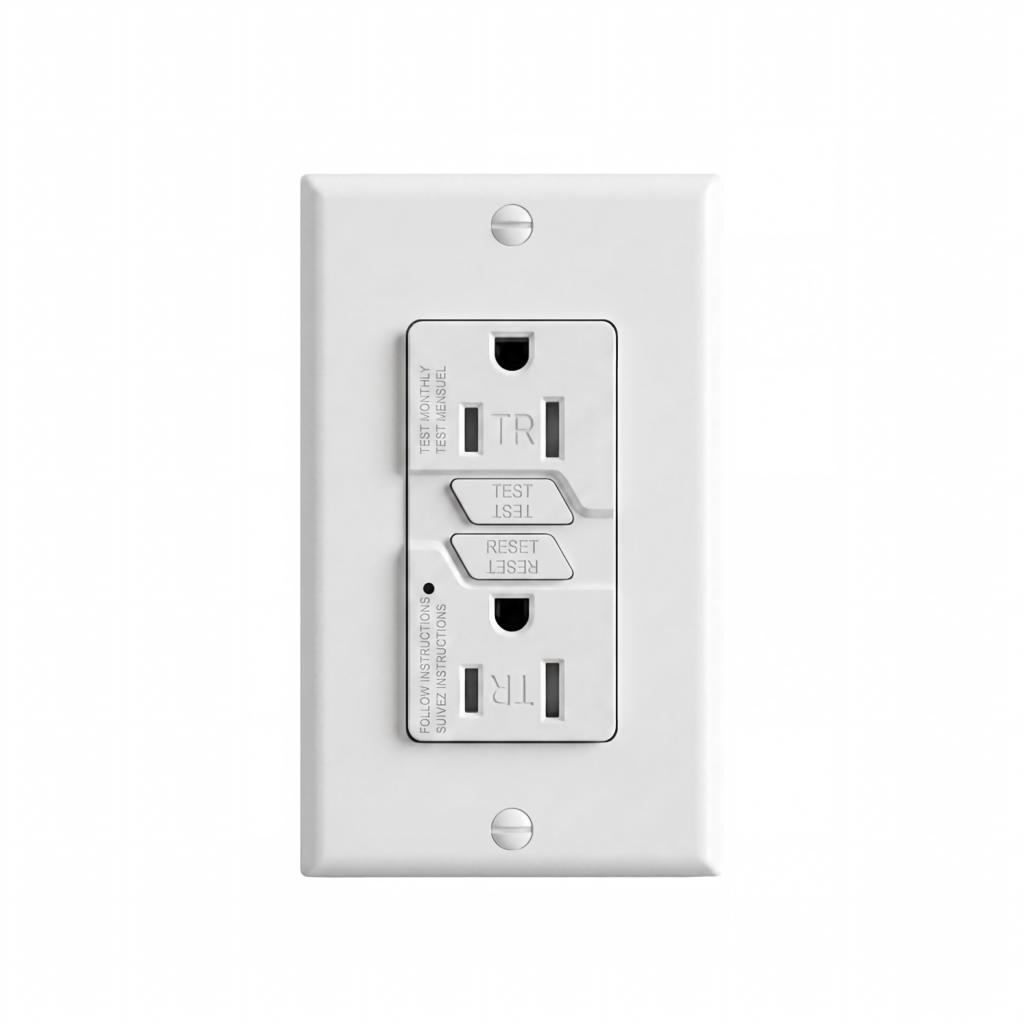
Understanding UL and IEC Standards
UL and IEC standards both address the safety and performance of electrical equipment, but their application can differ depending on the product and the market.
UL standards are widely used in North America, particularly for equipment installed under U.S. electrical codes. They establish requirements for product construction, electrical safety, and performance.
For many products, third-party certification demonstrates compliance with the applicable standard. Certification programs may also include ongoing factory inspections to verify that production continues to meet the certified design.
IEC standards are developed for international use and provide technical requirements and test methods for a broad range of electrical products.
Manufacturers can use IEC standards to evaluate product performance and demonstrate conformity with applicable requirements. Depending on the country and product category, compliance may be supported by laboratory test reports, certification, or a manufacturer’s declaration.
It’s important to distinguish between a product standard and a certification mark. Meeting a UL or IEC standard doesn’t automatically mean a product has been independently certified or approved for installation in every market.
When reviewing equipment documentation, check which standard and edition were used, who performed the testing, and whether any certification is required for the intended installation.
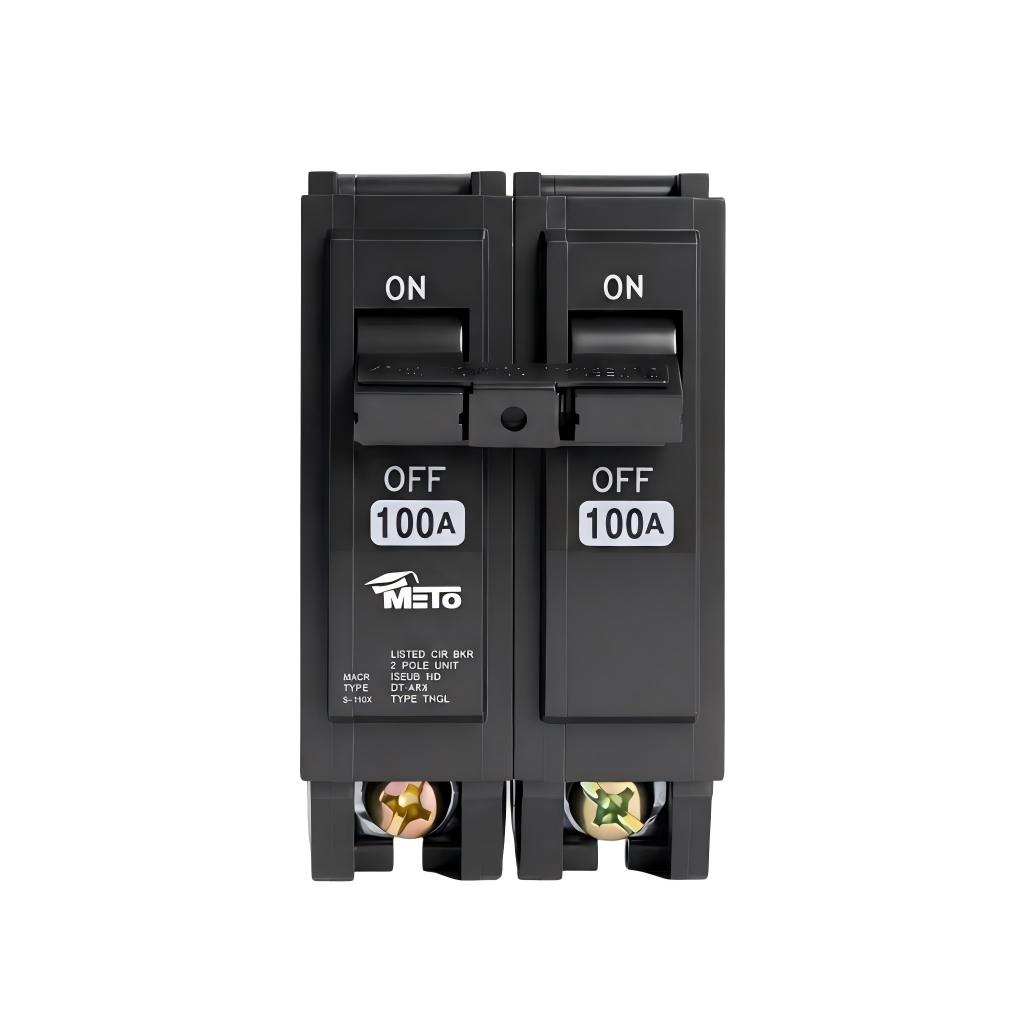
Where UL and IEC Testing Requirements Overlap
UL and IEC standards often cover similar electrical safety concerns, including insulation performance, temperature rise, short-circuit behavior, and mechanical durability.
For circuit breakers, for example, both systems may include tests related to current interruption, dielectric strength, and operating performance. However, the specific test procedures and acceptance criteria depend on the applicable product standard.
This means two products can undergo similar types of testing without being evaluated under identical conditions.
A circuit breaker tested to an IEC standard may perform well in its intended application, but that test report alone doesn’t establish compliance with the relevant UL standard.
The same applies in the other direction. A product evaluated to a UL standard may still need additional documentation or testing before it can be accepted in a market using IEC-based requirements.
When comparing UL and IEC test reports, look beyond the general test descriptions. Review the actual standard, test conditions, equipment ratings, and certification status to understand what the results demonstrate.
| Item | North American System | IEC System |
|---|---|---|
| Basis of the standard | Market-specific installation practice | International performance requirements |
| Conformity route | Third-party testing with factory follow-up | Testing and declaration, with reports recognized between markets |
| Reference supply | 60 Hz practice | 50 Hz and 60 Hz practice |
| Conductor convention | AWG and kcmil | Square millimeters |
| What the mark covers | Listed product, listed factory | Tested sample and declared ratings |
Key Differences Between UL and IEC Requirements
Although UL and IEC standards often address similar electrical safety concerns, their requirements can differ in ways that affect product selection and installation. These differences become especially important when equipment is manufactured for one market and intended for use in another.
Voltage and Frequency Ratings
Electrical equipment must be evaluated for the voltage and frequency conditions in which it will operate. North American electrical systems commonly operate at 60 Hz, while 50 Hz is widely used in many other countries. Some products are designed and rated for both frequencies, but this should be confirmed in the manufacturer’s technical documentation.
Frequency can affect the performance of equipment containing magnetic components, such as transformers, motors, and certain electromagnetic devices. When reviewing UL or IEC documentation, check the actual voltage and frequency ratings rather than assuming that testing under one set of conditions covers another.
Conductor Sizes and Terminal Requirements
Electrical equipment designed for different markets may use different conductor sizing conventions and terminal arrangements. North American installations commonly specify conductor sizes in AWG or kcmil, while IEC-based equipment documentation often uses metric conductor cross-sectional areas in mm².
Terminal compatibility involves more than converting between these units. The manufacturer must also specify the permitted conductor types, size ranges, and tightening torque. For example, a terminal suitable for a particular metric conductor size shouldn’t automatically be assumed to accept the nearest AWG equivalent.
Before selecting equipment, confirm that its terminals are rated for the conductors used in the installation and that the required termination methods are supported.
Operating Duty and Endurance Testing
UL and IEC product standards may specify different test conditions for mechanical operation, electrical endurance, and switching performance. The requirements depend on the type of equipment and its intended application.
For example, a circuit breaker used primarily for circuit protection may have different operating requirements from a switching device designed for frequent load switching. When comparing products, review the relevant endurance ratings and test conditions. Similar current and voltage ratings don’t necessarily mean two devices have been evaluated for the same operating duty.
Why UL and IEC Certifications Aren’t Automatically Interchangeable
A product certification applies to specific equipment evaluated under a defined certification program. The certification typically identifies the manufacturer, product models, applicable standards, and other conditions covered by the approval.
Changes to the product design, critical components, or manufacturing location may require review by the certification body. Whether additional testing or certification updates are necessary depends on the nature of the change and the certification program.
Certification records should also be checked for their current status. Standards are revised over time, and manufacturers may need to demonstrate continued compliance with updated requirements.
When sourcing electrical equipment, ask for the relevant certification details and verify that the model being supplied is covered by the documentation.
Recognizing Test Reports Across Different Markets
Some certification programs allow test reports from recognized laboratories to be used in more than one market. For example, international arrangements such as the IECEE CB Scheme can help manufacturers use recognized test results when applying for national certifications.
However, acceptance of a test report doesn’t automatically mean a product has all the approvals required for installation in another country. Additional national requirements, documentation, or testing may still apply. It’s important to confirm which approvals are required for the destination market and whether the supplier’s existing documentation meets those requirements.
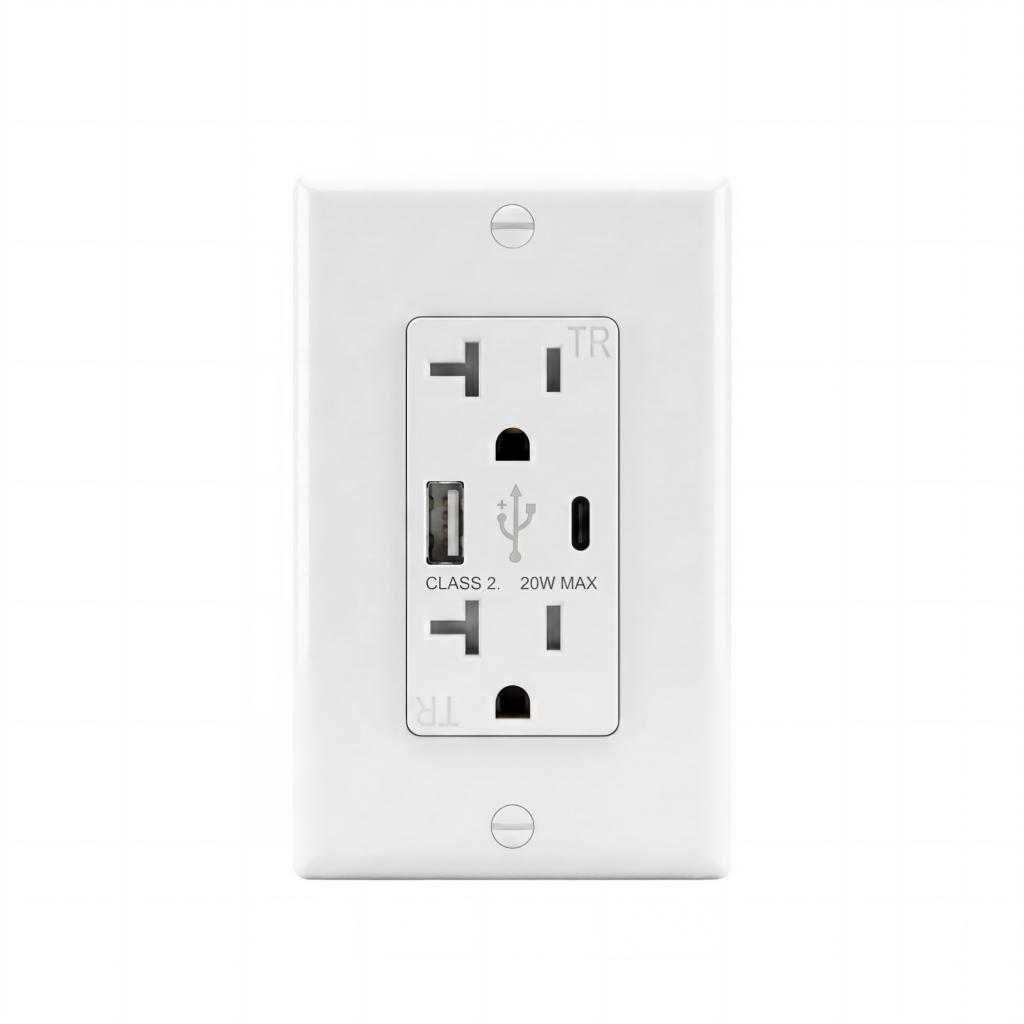
How to Review an Electrical Equipment Test Report
A test report provides information about how a product was evaluated and which requirements were applied during testing. When reviewing a report, check the product identification, manufacturer, applicable standard and edition, testing laboratory, test conditions, and results.
The report should also identify the model or product configuration that was tested. A valid test report can provide useful evidence of product performance, but it doesn’t necessarily establish that every unit currently being manufactured is independently certified.
That depends on the certification arrangement and whether ongoing production controls or factory surveillance are included.
For products such as meter sockets, certification should be reviewed alongside electrical ratings, enclosure requirements, and utility acceptance. Our meter socket buyer guide explains other specifications to consider when selecting equipment for North American installations.
Make Sure the Report Covers the Product You’re Ordering
A test report should clearly identify the product model and configuration evaluated during testing. Differences in terminals, enclosure construction, pole arrangements, or other critical components may affect whether the report applies to the equipment being supplied.
Some reports cover multiple models within a defined product family, so a difference in appearance or configuration doesn’t always require a separate test. The important point is whether the ordered model falls within the scope of the report or certification.
If the documentation doesn’t clearly identify the model you’re purchasing, ask the supplier or certification body to confirm the coverage before placing an order.
How to read a certificate before you accept it
Read the scope line first, then the ratings, then the issuer. The scope names the product family and often the factory. The ratings list tells whether the voltage, current, and short-circuit values on the certificate match the nameplate. The issuer tells whether a third party stands behind the document or the manufacturer alone does.
| Field on the Document | What It Decides |
|---|---|
| Scope and product family | Whether the ordered item is inside the certificate |
| Ratings listed | Whether the nameplate values are covered |
| Factory named | Whether the plant that ships is the plant that was audited |
| Standard edition and date | Whether the basis is current |
| Issuing body and accreditation | Whether a third party is behind the claim |
A certificate with a scope that stops at the family level and a nameplate that adds a rating the family never covered is a common gap. The document is genuine and the coverage is still missing.
What to Check with Your Electrical Equipment Supplier
Before ordering electrical equipment, it’s worth confirming that the supplier’s certification documents cover the specific models and ratings you need.
Start by checking which standards and editions were used during testing or certification. A certificate may cover only certain voltage ratings, current ratings, or product configurations, even when several models belong to the same product family.
You should also verify the manufacturer and production location listed in the certification records. If the equipment is being supplied from a different factory, ask whether that location is included in the certification scope.
The issuing organization and current certification status are equally important. For products covered by ongoing factory surveillance, confirm that the appropriate follow-up requirements are being maintained.
It’s also worth asking whether the product design or critical components have changed since the original evaluation. Any changes affecting certification should be reviewed according to the requirements of the relevant certification body.
CHINAMETO’s low-voltage distribution equipment range includes products for different electrical applications. You can also review our product catalogs to compare available models and ratings.
For equipment such as load centers, it’s important to check certification requirements alongside panel compatibility and electrical specifications. Our load center buyer guide covers additional considerations for selecting equipment for North American installations.
Final Checks Before Ordering Electrical Equipment
Certification documents are an important part of evaluating electrical equipment, but they should be reviewed together with the product’s technical specifications and intended application.
Before placing an order, confirm that the equipment’s voltage, current, short-circuit ratings, and installation requirements match your project. Where third-party certification is required, make sure the exact model is covered and that the certification remains valid.
CHINAMETO supplies electrical distribution equipment for domestic and international markets, with products designed for different technical standards and application requirements.
You can learn more about our manufacturing capabilities and quality approach on the CHINAMETO company profile.
If your project requires specific UL, IEC, or ANSI/IEEE standards, contact our team with the product models, required ratings, and destination market. We can help you review the relevant product documentation and confirm what certification or testing information is available for your project.

--- END ---
In this blog
Latest Articles


Newsletter
Never miss an update by signing up to our newsletter.