

Overhead vs. Underground Power Distribution
October 25, 2026The way electricity enters a property affects the type of equipment needed, the installation layout, and the overall cost of a distribution project.
Overhead electrical service brings power to a site through utility poles and suspended conductors, while underground service uses buried cables and associated equipment. Each arrangement has different requirements for transformers, protection devices, switching equipment, and cable connections.
Before selecting electrical distribution equipment, it’s important to confirm how the site will receive power and what the local utility requires. Understanding these differences early can help avoid unnecessary changes during installation.
How the Service Connection Affects Equipment Selection
The service connection arrangement influences which electrical components are needed between the utility supply and the building’s distribution system.
Overhead installations may require utility poles, overhead conductors, insulators, and pole-mounted protection equipment. Underground installations rely on buried cables, conduits, and suitable termination or connection equipment, often including pad-mounted transformers.
The available utility infrastructure, local regulations, property layout, and installation conditions all play a role in determining which arrangement is suitable. In many projects, the utility company establishes the service connection requirements, including the point of delivery and approved equipment configurations.
Before requesting quotations or ordering equipment, confirm whether the service will be overhead or underground and review the approved electrical drawings. This helps ensure that the selected equipment matches the utility’s requirements and the planned installation.
Equipment Used in Overhead Electrical Distribution
Overhead distribution systems use several types of equipment to support conductors, provide electrical protection, and allow sections of the network to be isolated for maintenance. The exact configuration depends on the distribution voltage, utility design, and operating requirements.
Fuse Cutouts and Overcurrent Protection
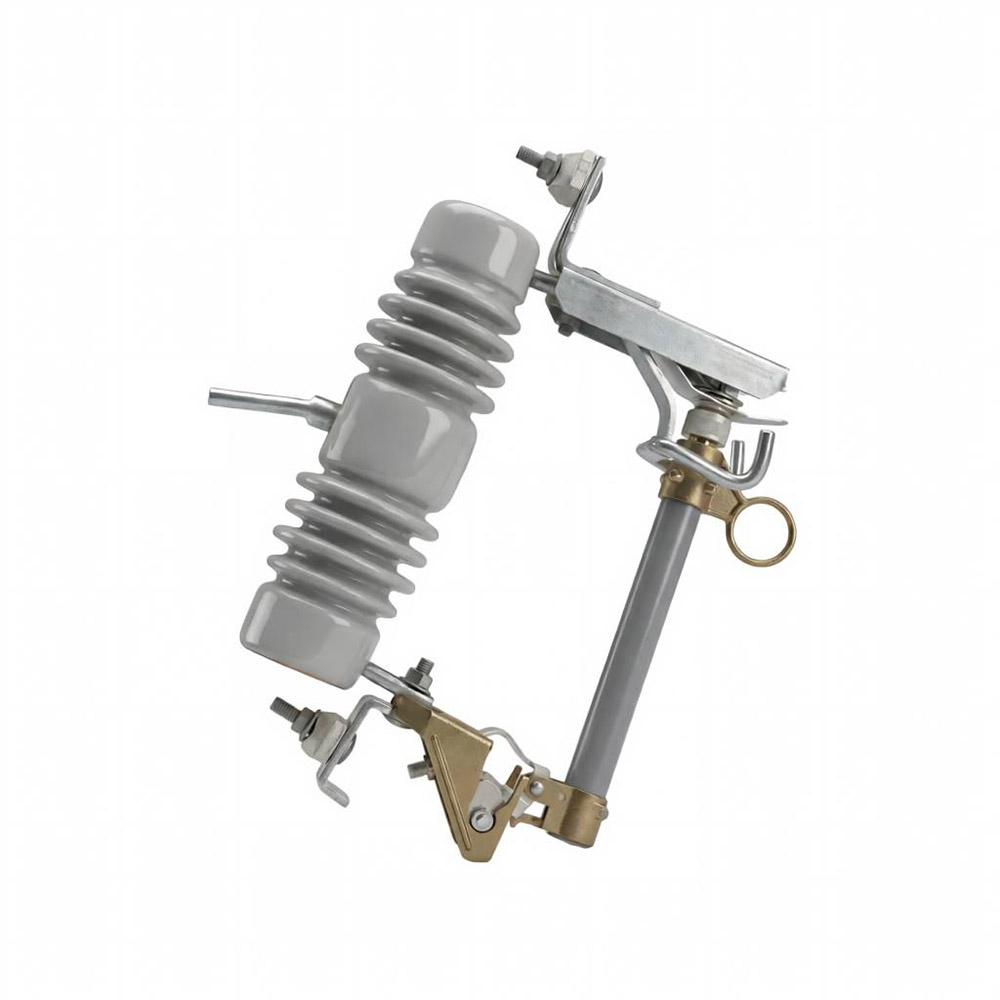
Fuse cutouts are commonly used on overhead distribution networks to protect transformers and certain line branches against overcurrent conditions.
They contain a replaceable fuse link that operates when current exceeds its specified time-current characteristics. After the fault has been identified and addressed, qualified utility personnel can replace the operated fuse link.
CHINAMETO offers MTFP porcelain fuse cutouts, including models such as MTFP1-15-100, MTFP-15-200-LB, and MTFP-15-300-LB, for different distribution applications.
When selecting a fuse cutout, the system voltage, continuous current rating, interrupting capability, and coordination with other protective devices all need to be considered.
Isolating Switches for Overhead Lines
Isolating switches provide a means of disconnecting sections of an overhead electrical network for maintenance and other operating requirements.
CHINAMETO’s MTDC and MTDP series use different insulation materials. The MTDC series features composite silicone insulation, while the MTDP series uses porcelain. Models such as MTDC-15-630 and MTDP-27-630 are available for different voltage classes and electrical requirements.
The appropriate switch depends on the utility’s specifications, installation conditions, and required switching duties. Not every isolating switch is designed to interrupt load current, so its operating capabilities must be confirmed before selection.
Surge Arresters and Line Insulators
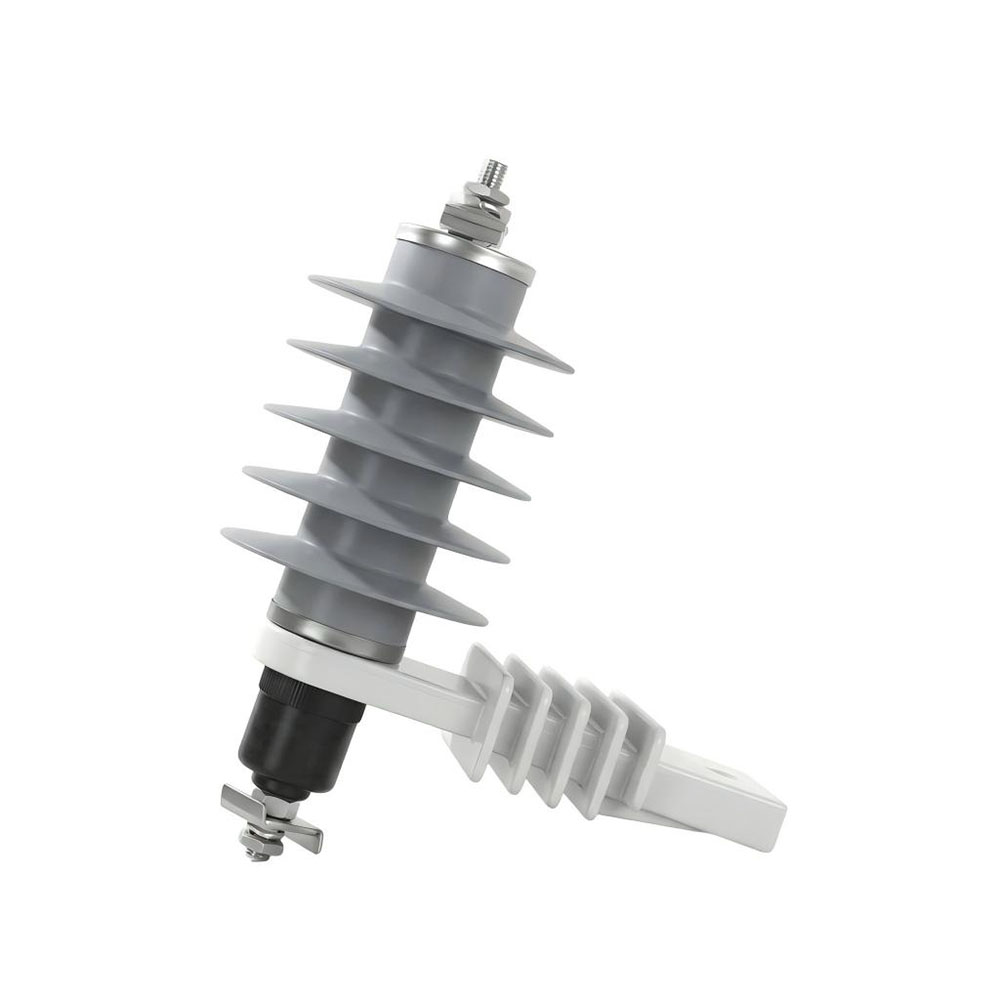
Overhead distribution systems are exposed to lightning and other transient overvoltages that can affect connected electrical equipment. Surge arresters help limit these overvoltages and are commonly installed near transformers, line transitions, and other locations requiring protection.
CHINAMETO offers surge arrester products, including the MTLA5 series for applicable low-voltage applications. The appropriate arrester rating and installation location depend on the electrical system and required protection level.
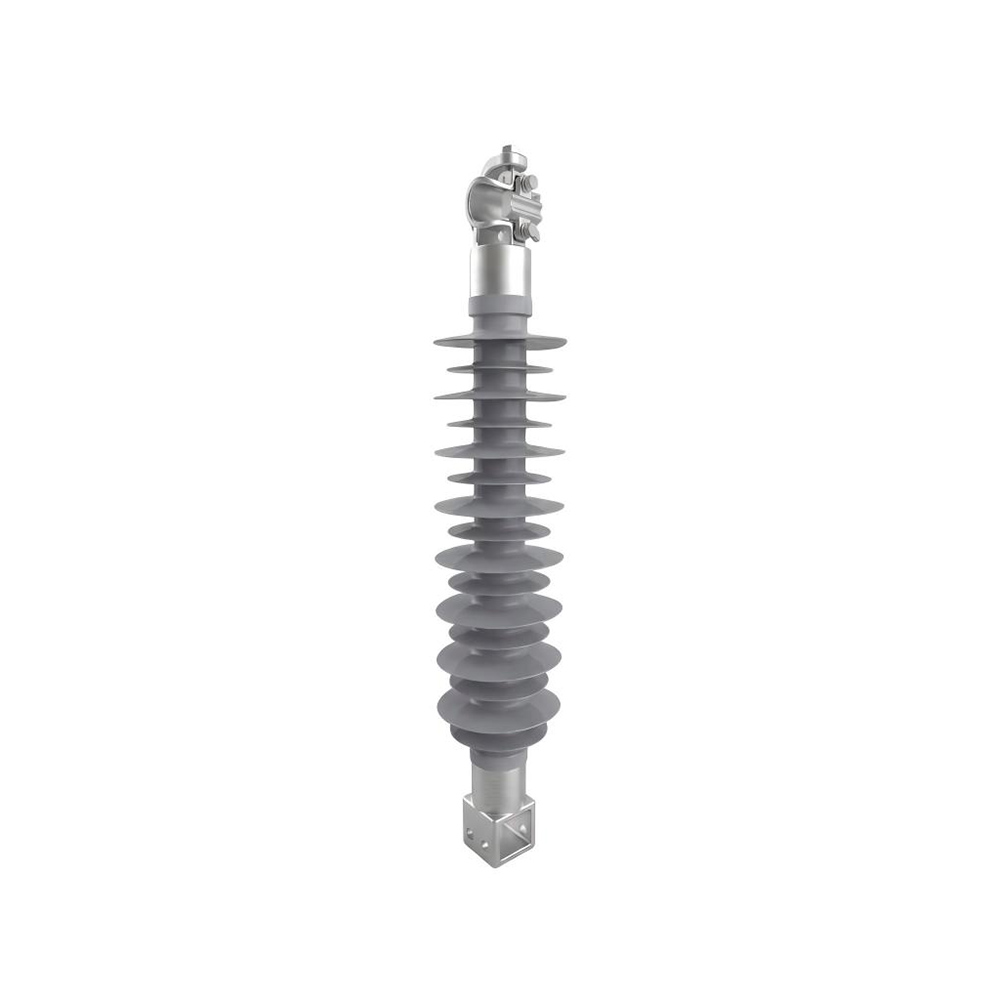
Insulators are also essential components of overhead lines. Products such as the MTHI composite suspension insulators provide electrical insulation and mechanical support for conductors. The selection of these components depends on line voltage, mechanical loading, and environmental conditions.
Equipment Used in Underground Electrical Distribution
Underground distribution systems deliver electricity through cables installed below ground rather than through overhead conductors. These installations typically require underground cables, conduits, suitable terminations, and access to connection or switching equipment.
Depending on the utility’s design, transformers and switching components may be installed in pad-mounted enclosures, underground vaults, or other approved locations.
Pad-Mounted Distribution Transformers
Pad-mounted transformers are commonly used in underground distribution networks, particularly for residential developments, commercial properties, and other sites where overhead transformer installations are not preferred.
These transformers are installed on prepared foundations and enclosed in cabinets designed for the intended outdoor environment.
CHINAMETO manufactures both single-phase pad-mounted transformers and three-phase pad-mounted transformers for underground distribution applications.
Available configurations may differ in voltage, capacity, winding arrangement, and cable connections. When selecting a transformer, confirm the utility’s electrical requirements along with the available installation space, cable entry arrangement, and maintenance clearances.
Transformer losses and winding materials should also be reviewed against the specifications of the particular model rather than assumed from the enclosure type.
Switching and Protection in Underground Systems
Underground distribution systems still require overcurrent protection and suitable switching or isolation arrangements.
Depending on the network design, these functions may be provided by equipment located inside a pad-mounted transformer, in a separate switchgear enclosure, within a vault, or elsewhere on the distribution network.
For example, some pad-mounted transformers are supplied with internal fusing and load-break switching arrangements, while other installations use separate protective and switching equipment. The utility’s approved design should identify where these functions are provided and how the equipment will be operated and maintained.
Installation and Maintenance Considerations
Underground electrical distribution generally involves more excavation and civil work than an equivalent overhead installation. Cable trenches, conduits, foundations, and underground access structures can increase initial installation costs, particularly where existing roads or paved areas need to be disturbed.
However, underground cables are less exposed to certain weather-related hazards, such as falling branches and wind damage. Maintenance requirements differ as well. Underground cable faults can be more difficult to locate and repair, and access to buried equipment may require additional work.
When comparing overhead and underground distribution, consider the site conditions, construction costs, maintenance access, and long-term operating requirements rather than focusing only on the appearance of the installation.
Does the transformer type follow the service?
It follows the service arrangement, and it also follows the load. A single-phase pad-mounted unit suits a load that is mostly lighting and small motors on one phase. A three-phase unit suits mixed rotating equipment or an unbalanced set of single-phase branches.
The physical arrangement matters as much as the electrical one. A pad-mounted unit needs a level pad, a setback from the property line, and room for a crew to open it. A vault installation needs drainage and a way to move equipment in and out. The distribution transformer line covers both arrangements, and the site drawing should show which one the project is built around.
| Item | Overhead Service | Underground Service |
|---|---|---|
| Point of delivery | Pole at the property line | Pad or vault near the building |
| Transformer | Pole-mounted or on a platform | Pad-mounted, oil-immersed, enclosed |
| Interrupting device | Fuse cutout with a replaceable link | Device inside the pad or upstream |
| Visible open point | Cutout door and isolating switch | Switch inside the enclosure |
| Surge protection | Arrester at the transition | Arrester at the pad or at the service |
| Site work | Clearance, guys, pole setting | Trench, conduit, pad, drainage |
| Outage exposure | Wind, trees, vehicle contact | Dig-in damage, water intrusion |
Meter Location and Utility Access Requirements
Meter placement is an important part of planning an electrical service installation. The location must meet utility requirements while providing safe access for meter reading, inspection, and maintenance.
For overhead service, meters are commonly installed on an exterior building wall or in an approved meter mounting arrangement. Underground service may use wall-mounted meter sockets, freestanding meter pedestals, or other utility-approved enclosures. The appropriate location depends on the service layout, property access, and local utility standards.
Meter socket selection also needs to account for who will operate and maintain the equipment. Utility-owned metering may require approved sealing provisions and specific access arrangements, while private submetering systems can have different requirements. CHINAMETO offers meter sockets in single-position and multiple-position configurations for different electrical distribution applications.
Before selecting a meter socket, confirm the required number of meter positions, service ratings, enclosure type, and utility-approved mounting arrangement. A meter socket that doesn’t meet the utility’s specifications may delay inspection or service connection, even when the rest of the electrical installation is complete.
Site Conditions and Installation Costs
Site conditions can have a significant impact on the cost and complexity of overhead and underground electrical distribution.
For underground installations, soil type, groundwater level, frost depth, and existing buried utilities can affect trenching, conduit installation, and equipment foundations. Rocky ground may require specialized excavation equipment, while high groundwater levels can create additional requirements for drainage, waterproofing, or underground structures.
These factors should be considered during the early design stage, particularly when comparing the cost of underground cables with overhead conductors. Overhead installations have different challenges. Utility poles and conductors must meet applicable clearance requirements, including distances from roads, buildings, trees, and other structures.
The site also needs sufficient access for installation and future maintenance. Vegetation management and available space for utility vehicles may influence the long-term maintenance requirements. When comparing overhead and underground service, review both the equipment costs and the work required to install and maintain the system.
What to Confirm Before Choosing a Service Arrangement
Before selecting equipment or requesting quotations, review the proposed service connection with the utility and project engineer.
The following details are especially important:
These details will help determine the appropriate service arrangement and identify the equipment needed for the installation.
If the utility has already provided service drawings or installation specifications, use those documents when preparing the equipment list and requesting pricing.
Final Considerations for Overhead and Underground Service
Both overhead and underground electrical service can be suitable options, depending on the available utility infrastructure and the conditions at the site. The decision affects transformer placement, cable routing, metering equipment, protective devices, and installation costs.
Confirming the service connection method, transformer location, and metering requirements early in the project can help reduce design changes and installation delays. Before ordering electrical distribution equipment, review the final arrangement with the utility and make sure the selected components match the approved drawings and applicable requirements.
CHINAMETO supplies overhead and underground distribution equipment—including fuse cutouts, isolating switches, surge arresters, meter sockets, and pad-mounted transformers—engineered to utility specifications.
For technical support or project quotations, contact the CHINAMETO engineering team with your service arrangement details and approved drawings.

--- END ---
In this blog
Latest Articles


Newsletter
Never miss an update by signing up to our newsletter.