
How to Choose the Right Overhead Line Insulator for Voltage, Mechanical Load, and Pollution Conditions
September 21, 2026Selecting an overhead line insulator may seem straightforward, but the right choice depends on actual operating conditions rather than voltage class alone. In utility projects, EPC packages, and retrofit applications, we often see that the final selection is influenced by mechanical loading, pollution severity, creepage distance requirements, installation arrangement, and the utility’s specific standards.
At METO, we view the insulator as the critical connection between the energized conductor and the supporting structure. It must provide dependable electrical insulation while withstanding mechanical stress, weather conditions, and long-term environmental exposure.
That is why we evaluate more than just the rated voltage when recommending composite or porcelain insulators. By considering the complete application requirements, we help customers select an insulator solution that delivers reliable performance throughout its service life.
Selecting Overhead Line Insulators Based on Actual Line Duty
A suitable insulator is never chosen by voltage alone. We start by asking where it will work, what it will carry, and how the line will be exposed. Overhead line and pole top applications need to match the voltage class, conductor load, wind and ice conditions, and local pollution level. Suspension points and dead end points may also need different treatment because the mechanical role is different.
Our insulator selection solution page follows that same logic. It starts with system voltage, insulation level, pollution duty, mechanical load, geometry, environment, and required tests, not with a single model number.
System Voltage Is the First Step in Insulator Selection
Utilities and contractors often have a preferred style, but we still begin with the actual system data.
Nominal voltage and highest system voltage
We ask for the nominal system voltage and the highest system voltage together. Those inputs affect insulation coordination and help determine whether the proposed insulator family belongs in the project at all. If a buyer sends only the line name or a rough voltage label, we usually go back for confirmation before quoting.
Insulation coordination in the full line design
Voltage selection also has to align with the rest of the line. We check conductor arrangement, pole or tower configuration, and the general insulation coordination approach used by the utility or consultant. If the project team is also reviewing lightning protection equipment, that should be discussed early, because protection philosophy and insulation coordination belong in the same review.
Check the required insulation level before you compare models
Once voltage is clear, the next question is the required insulation level.
Power frequency withstand in normal operation
We want to know the power frequency withstand expectation and the gap arrangement required by the project. That helps us screen out options that may look acceptable in a catalog list but do not fit the actual line design or the utility’s common practice.
Lightning impulse duty during surge events
We also ask about lightning impulse withstand and related clearances. Overhead lines, renewable energy collector systems, and substation connections can each bring different priorities. We align material choice, geometry, and test expectations with the project documents, then confirm what inspection records or test files may be needed for tender review.
Pollution severity and creepage distance need a site specific view
Creepage distance should follow the pollution duty of the corridor, not a generic assumption. Dust, salt fog, industrial contamination, ultraviolet exposure, humidity, and temperature all shape how conservative the selection should be.
Coastal, chemical, and dusty service areas
Coastal routes, chemical plants, and heavy industrial zones usually push buyers to look more closely at pollution performance. A transmission corridor near salt fog or industrial contamination may need a different creepage strategy from an inland route with cleaner exposure.
Rain, fog, and mountain weather
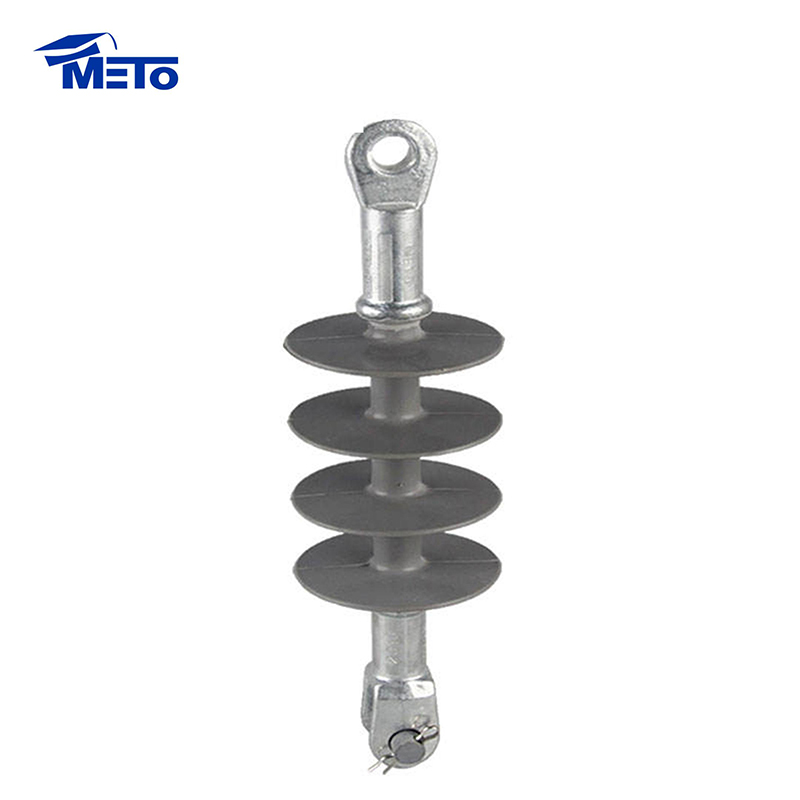
Mountain areas with frequent rain and fog can also change the picture. That is why we ask customers to confirm the creepage requirement early, especially for coastal, dusty, or mountain corridors. Our MTSI-138-133-BS composite suspension insulator is built for medium and high voltage overhead transmission, with anti-pollution silicone rubber, high tensile strength, all weather durability, and complete certification for overhead transmission use.

Mechanical load should be confirmed before material preference
We have seen many projects start with a material preference first, then return to the real mechanical duty later. We prefer the opposite order.
Suspension, tension, and line position
The mechanical role matters. Suspension locations, tension locations, line angle changes, and special structures can place different demands on the insulator and its fittings. We ask about tensile load, cantilever load, bending load, and the design safety factor expected by the project team.
Wind, ice, and long term loading
Wind and ice conditions should be part of the first review. A matched insulator has to carry electrical duty and survive mechanical exposure at the same time. For that reason, we tell customers to cross check the material choice, creepage basis, and mechanical load class with the line design and the utility’s established practice before the order is locked.
How we compare composite and porcelain options
There is no universal winner. Both porcelain and composite insulators can be the right answer. The choice depends on mechanical duty, pollution intensity, handling expectations, maintenance philosophy, and project specification.
Where a composite option fits well
For overhead transmission work in polluted or weather exposed areas, many buyers come to us looking for a composite suspension design. Our 138 kV MTSI-138-133-BS model is used for overhead high voltage transmission line suspension, municipal backbone overhead distribution and substation connection projects, coastal salt fog and chemical pollution areas, mountain lines with rain and fog, renewable energy overhead line packages, new grid builds, and older line upgrades.
Where porcelain may still be the right fit
Porcelain still belongs in serious project discussions. Some utilities, consultants, and end users prefer it because the project specification, maintenance approach, or existing line practice points that way. We compare electrical duty, mechanical role, environment, installation details, and required documentation, then recommend the better fit for that project. Buyers who want to review our broader insulator product range can start there before sending drawings and specifications.
Geometry and hardware details still decide whether the part will fit
Even when voltage and material are settled, geometry can still stop a project. We ask for drawings, spacing, end fitting expectations, and installation position as early as possible. For substation bus support and industrial applications, the dimensional check is especially important because adjacent equipment, support structures, and hardware layout may limit the acceptable envelope.
In these cases, we review the drawing package and confirm dimensions before production. If the job also includes line isolation equipment, we can review that in parallel with the isolating switch arrangement so the interface between components is clear before shipment.
Conclusion
Need help selecting a composite or porcelain overhead line insulator for your project? Email us at sales@chinameto.com, and we will review the voltage class, mechanical duty, pollution requirement, creepage basis, drawings, samples, inspection records, and test files with your team.
FAQ
Should we choose by voltage first or by material first?
We recommend starting with voltage and insulation coordination first, then checking pollution duty, mechanical load, and geometry. Material choice comes after that. Composite and porcelain can both be suitable, but only if the full duty matches the project.
When should creepage distance be reviewed more carefully?
Review it early for coastal corridors, salt fog exposure, industrial pollution, dusty routes, and mountain areas with frequent rain or fog. These environments can change the selection quickly. We would rather confirm the pollution assumption at RFQ stage than discover a mismatch later.
Can one insulator model cover every suspension and tension location?
Not automatically. Suspension and dead end positions can have different mechanical roles, and line geometry matters as well. We normally ask for the structure type, loading assumptions, and drawings before confirming that one design can cover multiple positions.
Do renewable energy projects need a different review process?
The selection logic is the same, but the timing should be earlier. Photovoltaic and onshore wind projects often combine outdoor exposure, switching stress, and long medium voltage circuits, so we ask buyers to lock in pollution duty, creepage requirement, geometry, and applicable market requirements at the RFQ stage.
What documents do you support for utility and tender work?
We support specification review, dimensional confirmation, drawings, samples, batch supply, inspection records, and test files. If a utility, EPC contractor, or industrial buyer needs documentation for approval, we can prepare around those requirements as part of the project review.
Get professional insulator selection consultation for your power project. Contact METO for quotation and technical support.

--- END ---
Prev: How We Select a Metal Surge Arrester for Medium Voltage Overhead Distribution Systems
Already the latest article
In this blog
Latest Articles


Newsletter
Never miss an update by signing up to our newsletter.