

How Does a Meter Socket Work?
November 12, 2026Electricity plays an essential role in residential, commercial, and industrial buildings. Before electrical power can be distributed throughout a property, it must pass through a metering system that measures energy consumption accurately and safely. One of the most important components in this system is the meter socket.
But how does a meter socket work? What are its main components, and how does it connect an electric utility’s power supply to a building’s electrical distribution system?
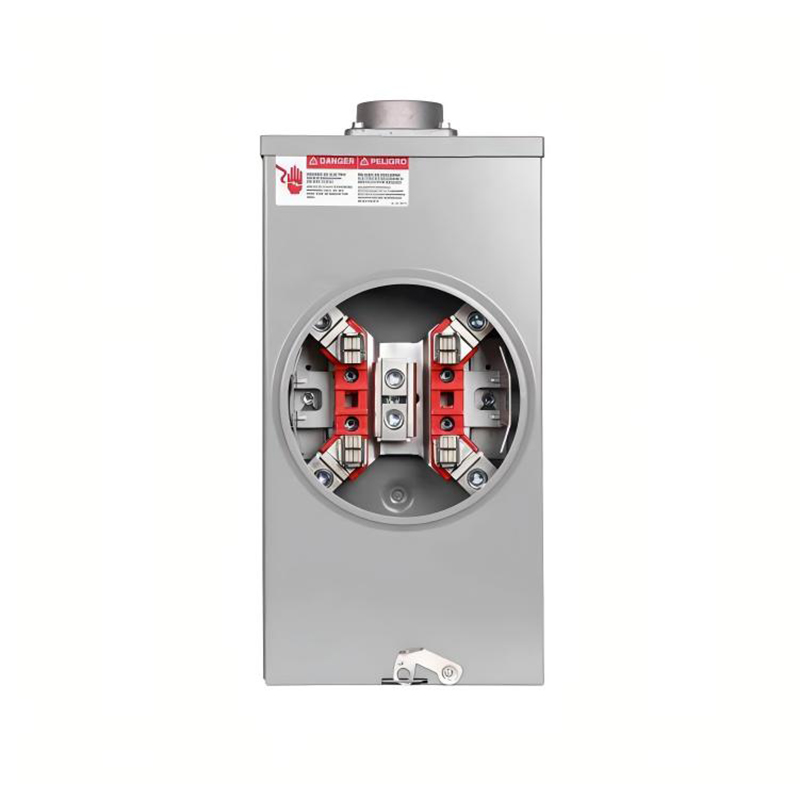
A meter socket is an electrical enclosure designed to receive and securely hold an electric utility meter. It provides the electrical connections between the incoming utility service and the customer’s electrical system while allowing the meter to measure electricity consumption.
In this guide, we will explain how a meter socket works, explore its internal components, discuss different types of meter sockets, and provide practical considerations for selecting the right product for your electrical project.
What Is a Meter Socket?
A meter socket, also known as an electric meter socket or meter base, is an enclosure that provides the mounting structure and electrical connections for an electricity meter.
It serves as the interface between the utility power supply and the building’s electrical distribution system.
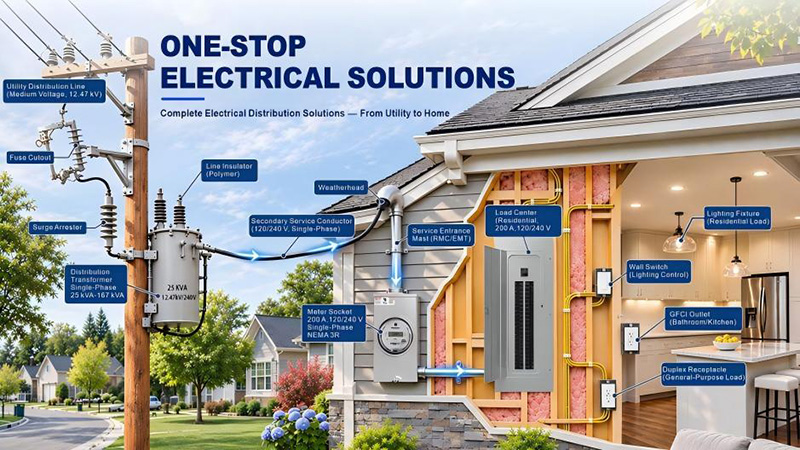
In a typical North American electrical service installation, the meter socket is installed between the utility service entrance and the main electrical panel or load center.
Its primary functions include:
- Providing a secure mounting location for the electric meter.
- Establishing electrical connections between utility service conductors and the meter.
- Supporting accurate measurement of electrical energy consumption.
- Protecting electrical connections from environmental exposure.
- Providing an accessible interface for utility meter installation, inspection, and maintenance.
Meter sockets are commonly used in residential homes, apartment buildings, commercial facilities, and industrial electrical installations.
How Does a Meter Socket Work?
Understanding how a meter socket works begins with understanding the flow of electricity through the metering system.
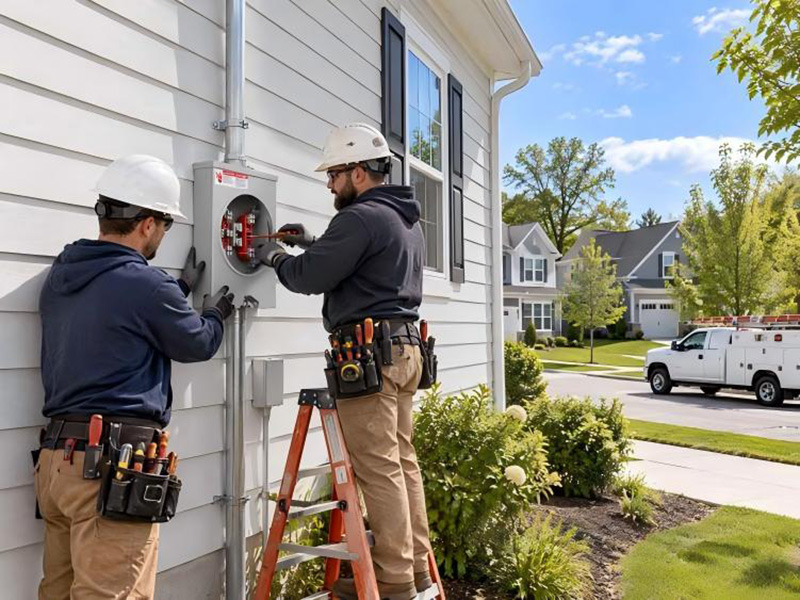
In a typical single-phase, three-wire residential service, electricity enters the building from the utility through service entrance conductors. These conductors connect to the line-side terminals inside the meter socket.
The electric meter is inserted into the socket, where its metal blades engage with the socket’s internal contact jaws. These connections establish the electrical path through the meter.
After electricity passes through the metering system, it leaves through the load-side terminals and continues to the main breaker panel or load center.
The meter measures electrical energy consumption by monitoring voltage and current over time. The measured energy is generally recorded in kilowatt-hours (kWh), which the utility uses for billing.
Working Process
Electrical power is supplied by the utility through overhead service wires or underground service conductors.
These incoming conductors connect to the line-side terminals of the meter socket.
The electric meter is inserted into the meter socket. Its connection blades engage with the socket’s contact jaws, establishing the required electrical connections.
The meter monitors the electrical voltage and current supplied to the building. Modern electronic meters calculate energy consumption using internal measurement circuits.
After passing through the metering system, electricity exits through the load-side connections and travels to the main electrical panel or load center.
The meter continuously records electricity usage, typically in kilowatt-hours. This information is used by the utility company for billing and energy management.
The exact electrical arrangement depends on the service configuration, meter design, and applicable utility requirements.
Main Components of a Meter Socket
A meter socket consists of several important components that work together to provide reliable electrical connections and secure meter mounting.
Meter Socket Enclosure
The enclosure is the outer housing that protects internal electrical components from physical damage and environmental exposure.
Common materials include galvanized steel, aluminum, and other corrosion-resistant materials.
Outdoor meter sockets are designed with suitable environmental protection for their intended installation conditions.
Meter Jaws
Meter jaws are conductive contact components located inside the socket.
They receive the metal blades of the electric meter and establish the electrical connections between the meter and the service conductors.
Proper jaw design and contact pressure are important for reliable electrical performance.
Line-Side Terminals
Line-side terminals connect the incoming utility service conductors to the meter socket.
They provide the connection point for electrical power entering the metering system.
Load-Side Terminals
Load-side terminals connect the outgoing conductors to the building’s electrical distribution equipment.
After the electricity passes through the metering system, it continues toward the main breaker or load center.
Neutral Connection
The neutral terminal or neutral assembly provides the required neutral connection for compatible electrical service configurations.
Its design and arrangement depend on the meter socket configuration and applicable electrical requirements.
Cover and Meter Retaining Mechanism
The cover and retaining components help secure the meter in position and protect the internal connections.
Depending on the product design, meter sockets may use ring-type or ringless configurations.
Different Types of Meter Sockets
Meter sockets are available in different configurations to meet various electrical service requirements.
Understanding these differences is important for electrical contractors, distributors, and project buyers.
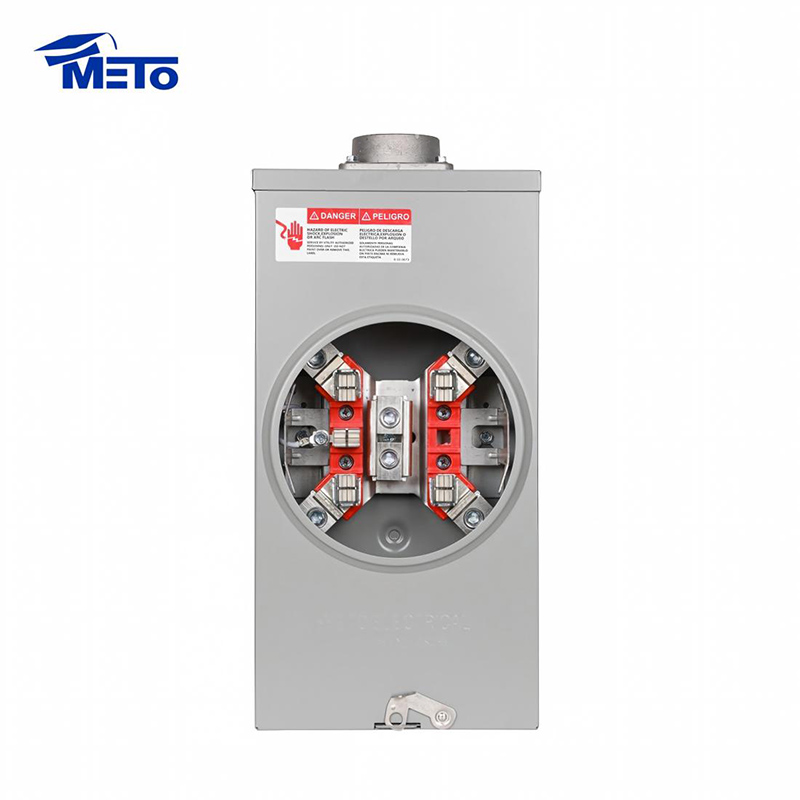
Single-Position Meter Socket
A single-position meter socket is designed to accommodate one electric meter.
It is commonly used in single-family homes and small commercial electrical installations.
Multi-Position Meter Socket
Multi-position meter sockets are designed to accommodate multiple meters within one assembly.
They are commonly used in apartment buildings, multi-family residential developments, and commercial properties where separate electricity metering is required.
Ring-Type Meter Socket
A ring-type meter socket uses a separate meter sealing ring to secure the meter to the socket.
The ring helps prevent unauthorized access to the meter and its connections.
Ringless Meter Socket
A ringless meter socket uses an integrated cover design to retain and secure the electric meter.
This configuration is widely used in North American electrical installations, subject to local utility requirements.
Overhead and Underground Meter Sockets
Overhead meter sockets are designed for electrical services supplied through overhead conductors.
Underground meter sockets are configured for underground service entrance connections.
The correct configuration depends on the utility service arrangement and installation requirements.
Where Are Meter Sockets Used?
Meter sockets are essential components in electrical metering systems across multiple industries.
In single-family homes and residential developments, meter sockets provide the connection point for utility meters and help measure household electricity consumption.
Apartment complexes and condominium developments often require multi-position meter sockets to support individual electricity metering for different units.
Retail stores, office buildings, restaurants, and other commercial facilities use meter sockets to support electrical energy measurement and utility billing.
Industrial buildings and manufacturing facilities may use meter sockets as part of their electrical service infrastructure, depending on the service configuration and metering requirements.
How to Choose the Right Meter Socket
Selecting the right meter socket is important for electrical safety, compatibility, and long-term performance.
Before purchasing a meter socket, consider the following factors:
Voltage and Ampere Rating
Check the required voltage and current ratings for the electrical service.
Common North American residential configurations include 120/240V single-phase services. Higher current ratings may be required for larger residential or commercial installations.
Meter Compatibility
Make sure the meter socket is compatible with the intended utility meter, including the required meter form, jaw configuration, and connection arrangement.
Number of Meter Positions
Determine whether the project requires a single-position or multi-position meter socket.
The number of positions should match the building’s metering requirements.
Installation Type
Consider whether the installation requires overhead or underground service connections.
Also evaluate the mounting location and environmental conditions.
Utility and Electrical Code Requirements
Meter sockets must comply with applicable electrical codes, product standards, and local utility specifications.
Requirements can vary between utility providers and jurisdictions. Buyers should confirm approved configurations before ordering.
Material and Durability
For outdoor applications, consider enclosure material, corrosion resistance, environmental protection, and overall construction quality.
These factors can influence product durability and service life.
Why Choose a Reliable Meter Socket Manufacturer?
For electrical distributors, wholesalers, contractors, and utility-related buyers, selecting a dependable meter socket supplier is an important purchasing decision.
A reliable manufacturer should provide:
- Consistent product quality and manufacturing control.
- Multiple meter socket configurations and specifications.
- Suitable materials for different installation environments.
- Technical documentation and product specifications.
- Stable production capacity and delivery support.
- Professional OEM and customization services when available.
Working with an experienced manufacturer helps buyers source products that match their project specifications and market requirements.
Frequently Asked Questions About Meter Sockets
What is the main purpose of a meter socket?
A meter socket provides the mounting structure and electrical connections for an electric utility meter. It connects the incoming utility service to the building’s electrical distribution system through the metering equipment.
Is a meter socket the same as a meter base?
The terms meter socket and meter base are often used interchangeably in North American electrical applications. Both generally refer to the enclosure and connection assembly designed to receive an electric meter.
How does electricity pass through a meter socket?
Electricity enters through the line-side terminals, connects through the meter’s contact blades and socket jaws, and exits through the load-side terminals toward the building’s electrical distribution panel.
What is the difference between ring and ringless meter sockets?
Ring-type meter sockets use a separate retaining ring to secure the meter, while ringless designs use an integrated cover to retain it.
Can a meter socket be installed outdoors?
Yes. Many meter sockets are designed for outdoor installation. However, the enclosure must have the appropriate environmental rating and comply with local utility and electrical code requirements.
Who is responsible for installing a meter socket?
Installation requirements vary by jurisdiction and utility provider. A qualified electrician typically handles the electrical installation, while the utility company generally controls meter installation, connection, and approval procedures.
Conclusion
A meter socket plays an essential role in North American electrical distribution systems. It provides the electrical connection between the utility power supply, the electric meter, and the building’s electrical distribution equipment.
By understanding its operating principles, main components, different configurations, and purchasing considerations, electrical contractors and distributors can make more informed product selection decisions.
Whether you are sourcing single-position meter sockets for residential projects or multi-position solutions for commercial developments, choosing a reliable manufacturer is essential for consistent product quality and project compatibility. Contact METO today to request specifications and project support.

--- END ---
Prev: What Is a Load Center? A Complete Guide to Electrical Power Distribution
Already the latest article
In this blog
Latest Articles


Newsletter
Never miss an update by signing up to our newsletter.
By submitting, you agree to our Privacy Policy and Terms of Use. See also our Cookie Policy. To request deletion of your data, email info@chinameto.com.