

What Is a Load Center? A Complete Guide to Electrical Power Distribution
November 7, 2026Introduction
A reliable electrical distribution system is essential for every modern home and building. One of the most important components in this system is the load center. Often called an electrical panel or breaker panel, a load center distributes incoming electrical power to individual circuits while providing protection against overloads and short circuits.
But how does a load center actually work? What happens when electricity enters the panel, and how do circuit breakers protect electrical equipment and people?
In this guide, we will explain the working principle of a load center, its main components, how power is distributed, and what to consider when selecting a load center for residential and commercial applications.
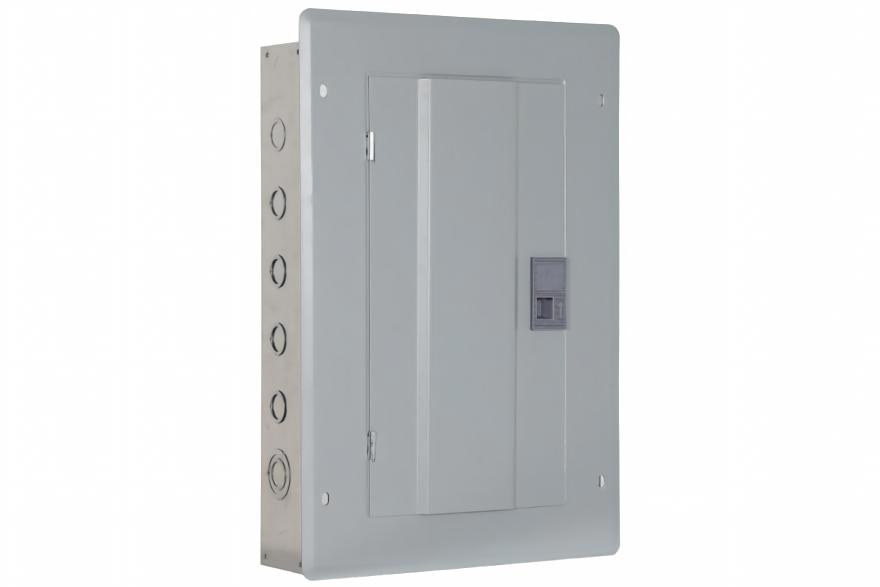
What Is a Load Center?
A load center is an electrical distribution enclosure designed to receive power from the main electrical supply and distribute it to multiple branch circuits.
It serves as the central point of electrical power distribution in residential buildings, apartments, and certain light commercial applications.
A typical load center contains several essential components, including:
- Main Circuit Breaker: Controls the incoming electrical supply and provides main overcurrent protection when equipped with an appropriate main breaker.
- Bus Bars: Conduct electricity from the incoming supply to individual circuit breakers.
- Branch Circuit Breakers: Protect individual electrical circuits against overloads and short circuits.
- Neutral Bus Bar: Provides a termination point for neutral conductors.
- Grounding Bar: Provides a termination point for equipment grounding conductors.
- Enclosure: Houses and protects internal electrical components.
Together, these components ensure that electricity is distributed safely and efficiently throughout a building.
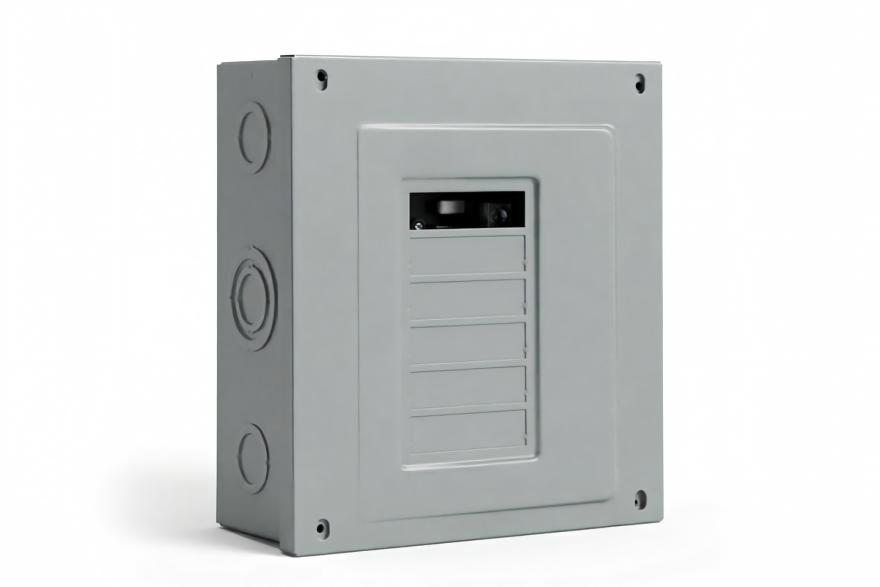
How Does a Load Center Work?
The working principle of a load center is relatively straightforward. It receives electrical power from the utility service or an upstream distribution system, distributes that power through bus bars, and supplies individual circuits through circuit breakers.
Incoming Electrical Power Enters the Load Center
Electricity enters the load center through service conductors or feeder conductors connected to the electrical supply.
In a typical North American residential application, the system uses a 120/240V single-phase supply. The incoming conductors connect to the main breaker or main lugs, depending on the load center configuration.
The main breaker, when provided, allows users to disconnect power to the downstream circuits and provides overcurrent protection for the panel as designed.
Power Flows Through the Bus Bars
After entering the load center, electrical power is transferred to the bus bars.
Bus bars are conductive metal components, commonly made from copper or aluminum, that distribute electricity to the installed circuit breakers.
In a typical 120/240V residential load center, two hot bus bars supply power to the branch circuit breakers.
This arrangement supports different circuit configurations, including:
- 120V branch circuits
- 240V branch circuits
- 120/240V multiwire applications where properly designed
The bus bar system makes it possible to distribute electrical power to multiple circuits from a single incoming supply.
Circuit Breakers Distribute Power to Individual Circuits
Each branch circuit breaker connects to the bus bar and supplies electricity to a specific circuit.
For example:
- Lighting circuits supply power to indoor and outdoor lighting.
- Kitchen circuits provide electricity to countertop appliances.
- HVAC circuits supply heating and cooling equipment.
- Laundry circuits power washing machines and dryers.
- General-purpose circuits supply wall outlets and other electrical devices.
Each circuit is designed according to its electrical load, conductor size, breaker rating, and applicable electrical codes.
This independent circuit arrangement makes electrical distribution more organized and manageable.
Circuit Breakers Protect Against Electrical Faults
One of the most important functions of a load center is electrical protection.
Circuit breakers are designed to interrupt current when an overload or short-circuit condition occurs.
An overload occurs when a circuit draws more current than it is designed to carry for an extended period. The circuit breaker trips to help prevent overheating and potential damage to wiring.
A short circuit occurs when electrical conductors make an unintended low-impedance connection, resulting in excessive current. The circuit breaker responds by interrupting the current flow.
Some load centers also accommodate specialized protective devices, such as AFCI and GFCI circuit breakers, depending on the application and local electrical code requirements.
Electricity Reaches Electrical Equipment
Once power passes through the appropriate branch circuit breaker, it travels through branch circuit wiring to connected electrical devices.
These devices may include lighting fixtures, receptacles, air conditioners, refrigerators, water heaters, and other household equipment.
When a circuit breaker trips, the affected branch circuit is disconnected while other properly functioning circuits can continue operating.
This independent protection helps improve the reliability and safety of the electrical distribution system.
Main Components of a Load Center and Their Functions
Understanding the main components helps contractors, distributors, and electrical professionals evaluate load center performance and installation requirements.
Main Breaker
The main breaker controls the incoming electrical supply to the downstream distribution system. It also provides overcurrent protection for the panel when properly rated and installed.
Bus Bars
Bus bars distribute incoming electrical power to the branch circuit breakers. Their material, design, and compatibility are important factors in overall electrical performance.
Circuit Breakers
Circuit breakers protect individual branch circuits against overcurrent conditions. Different breaker types are available for different electrical applications.
Neutral and Grounding Bars
The neutral bar provides connections for neutral conductors, while the grounding bar provides connections for equipment grounding conductors.
Their bonding and separation requirements depend on whether the load center is installed as service equipment or as a downstream panel.
Enclosure and Cover
The enclosure protects internal components from external contact and environmental conditions appropriate to its rating. It also provides a secure mounting structure for the electrical distribution equipment.
Why Is a Load Center Important?
A load center plays a critical role in modern electrical systems for several reasons.
- Centralized Power Distribution: It provides a centralized location for distributing electricity to different areas and equipment within a building.
- Electrical Safety: Circuit breakers help protect branch circuits against overloads and short circuits, reducing the risk of electrical hazards.
- Convenient Circuit Management: Individual circuit breakers make it easier to control, isolate, and troubleshoot electrical circuits.
- Flexible Electrical Expansion: A properly selected load center can provide additional circuit spaces for future electrical requirements, subject to its approved ratings and capacity.
- Reliable Electrical Performance: A properly designed and installed load center supports stable and organized electrical distribution throughout a building.
How to Choose the Right Load Center
Selecting the right load center is important for electrical contractors, wholesalers, distributors, and building professionals.
Before purchasing a load center, consider the following factors:
Electrical Rating
Check the voltage, amperage, and interrupting rating requirements of the electrical system. Common residential configurations in North America include 120/240V single-phase systems.
Number of Circuit Spaces
Choose a load center with sufficient circuit spaces for current electrical requirements and reasonably anticipated future expansion.
Main Breaker or Main Lug Configuration
Determine whether the application requires a main breaker load center or a main lug load center based on the electrical system design.
Indoor or Outdoor Installation
Select an enclosure with the appropriate environmental rating. Indoor and outdoor applications have different enclosure requirements.
Breaker Compatibility
Ensure that the selected load center is listed and designed for use with the specified circuit breaker types and models.
Compliance and Certifications
For the North American market, buyers should verify applicable UL listing, certification, and electrical code requirements for the specific product and installation.
Common Applications of Load Centers
Load centers are widely used in different electrical distribution applications.
They distribute electricity to lighting, kitchen appliances, HVAC systems, receptacles, and other household electrical equipment.
Load centers provide organized branch circuit distribution for individual residential units.
They can be used in offices, retail spaces, and other light commercial facilities where the electrical system design is compatible with the product ratings.
Load centers are commonly used when upgrading existing electrical distribution systems or adding circuits to accommodate new electrical equipment.
Common Load Center Problems and Maintenance Tips
Although load centers are designed for long-term electrical service, regular inspection by qualified electrical professionals is important.
Common warning signs include:
- Circuit breakers that trip frequently.
- Unusual buzzing or humming sounds.
- Visible corrosion or moisture inside the enclosure.
- Signs of overheating or discoloration.
- Physical damage to the enclosure or panel components.
Never ignore these warning signs. Electrical panel inspection, maintenance, and repairs should be performed by qualified professionals. Do not remove the panel cover or attempt to work on energized electrical components yourself.
Conclusion: A Load Center Is the Heart of Electrical Distribution
So, how does a load center work? It receives electrical power from an incoming supply, distributes it through bus bars, and delivers electricity to individual branch circuits through circuit breakers. At the same time, its protective devices help prevent electrical damage caused by overloads and short circuits.
For residential builders, electrical contractors, distributors, and electrical equipment buyers, choosing a reliable load center is essential for building a safe and efficient electrical distribution system.
Looking for dependable load center solutions for the North American market?
METO provides electrical distribution products designed to support residential and light commercial applications. Contact our team to learn more about load center configurations, product specifications, and OEM/ODM cooperation opportunities.
Frequently Asked Questions (FAQs)
What is the main function of a load center?
The main function of a load center is to distribute incoming electrical power to multiple branch circuits while providing overcurrent protection through circuit breakers.
How does electricity flow through a load center?
Electricity enters through service or feeder conductors, passes through the main distribution connections, flows through bus bars, and reaches individual circuits through branch circuit breakers.
What is the difference between a load center and a circuit breaker?
A load center is the complete electrical distribution assembly, including the enclosure, bus bars, and installed circuit breakers. A circuit breaker is an individual protective device installed within the load center.
How many circuits can a load center support?
The number of circuits depends on the load center’s design, available breaker spaces, approved breaker configurations, and electrical ratings. Buyers should check the manufacturer’s specifications.
Can a load center be used for commercial applications?
Yes. Certain load centers are suitable for light commercial applications, provided their electrical ratings, configurations, and listings meet the requirements of the installation.

--- END ---
In this blog
Latest Articles


Newsletter
Never miss an update by signing up to our newsletter.
By submitting, you agree to our Privacy Policy and Terms of Use. See also our Cookie Policy. To request deletion of your data, email info@chinameto.com.