

How Do Wiring Devices Work? A Complete Guide to Electrical Wiring Devices
November 4, 2026Wiring devices are essential components of modern electrical systems. From residential homes and commercial buildings to industrial facilities, these products provide convenient, safe, and reliable ways to distribute and control electrical power.
Common wiring devices include electrical receptacles, GFCI outlets, USB receptacles, wall switches, and other electrical accessories. Although these products serve different purposes, they all work together to connect electrical circuits with the equipment and appliances that people use every day.
But how do wiring devices actually work? What happens inside an electrical outlet when you plug in an appliance? How does a wall switch control lighting? And how does a GFCI receptacle help protect people from electrical shock?
In this guide, we will explain the basic working principles of wiring devices, introduce their major types, and explore what electrical contractors, distributors, and purchasing professionals should consider when selecting wiring devices for the North American market.
What Are Electrical Wiring Devices?
Electrical wiring devices are components installed in electrical systems to connect, distribute, control, and protect electrical power.
They serve as the interface between building wiring and electrical equipment. Most residential and commercial wiring devices are installed in electrical boxes and connected to branch circuits through properly sized electrical conductors.
Common types of wiring devices include:
- Electrical Receptacles: Provide connection points for appliances and electrical equipment.
- GFCI Receptacles: Help protect users against ground-fault electrical shock hazards.
- USB Receptacles: Combine standard electrical outlets with USB charging ports.
- Wall Switches: Control the flow of electricity to lighting fixtures and other connected loads.
- Specialty Receptacles: Provide specific configurations for different electrical applications.
In North America, wiring devices are commonly designed for 120V or 240V electrical applications, depending on the product and circuit configuration.
How Do Wiring Devices Work?
Most wiring devices operate by establishing, interrupting, or controlling an electrical connection within a circuit.
To understand how they work, it is important to understand the three basic components of a typical branch circuit.
Hot Wire
The hot wire carries electrical energy from the power source to the connected device or electrical load. In common North American residential systems, hot conductors are typically black or red, depending on the circuit.
Neutral Wire
The neutral wire provides the normal return path for current in many single-phase AC circuits. It is generally identified by white insulation in North American wiring.
Ground Wire
The equipment grounding conductor provides a low-impedance fault-current path to help operate the overcurrent protective device when an electrical fault occurs. It is commonly identified by green insulation or bare copper.
When an electrical appliance is plugged into a receptacle, the device establishes an electrical connection between the supply conductors and the appliance. Current flows through the circuit when the appliance operates.
A wiring device must maintain reliable electrical contact, appropriate insulation, and suitable mechanical protection to support safe operation.
How Do Different Types of Wiring Devices Work?
Different wiring devices perform different functions within an electrical system. Understanding their operating principles helps contractors and distributors select the right products for specific projects.
How Do Electrical Receptacles Work?
Electrical receptacles provide convenient connection points between building electrical circuits and appliances.
In a typical North American duplex receptacle, the device contains contact mechanisms designed to connect the appliance’s plug blades to the hot and neutral conductors. A grounding contact provides an equipment grounding connection when the receptacle and installation are properly grounded.
When a compatible plug is inserted, internal contacts establish an electrical connection, allowing current to flow to the connected appliance.
Standard receptacles are commonly used in:
- Residential bedrooms and living rooms
- Commercial offices
- Retail stores
- Hotels and hospitality buildings
- Light commercial facilities
Their performance depends on proper electrical connections, contact quality, material selection, and compliance with applicable electrical standards.
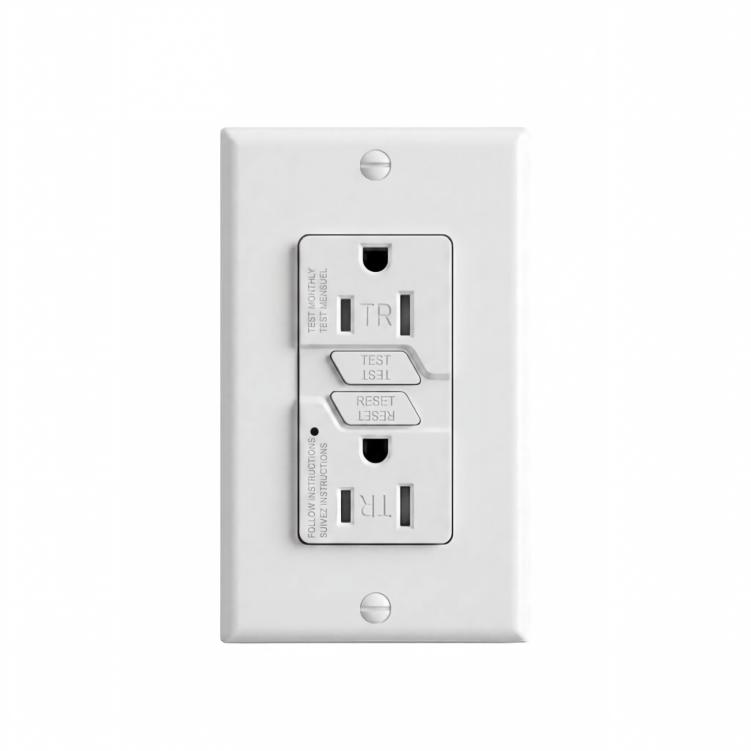
How Do GFCI Receptacles Work?
GFCI (Ground-Fault Circuit Interrupter) receptacles are designed to provide additional protection against certain electrical shock hazards.
Unlike standard receptacles, GFCI devices continuously monitor the current flowing through the hot and neutral conductors.
Under normal operating conditions, the current flowing through the hot conductor should approximately equal the current returning through the neutral conductor.
If the device detects an imbalance that reaches its designed trip threshold, it quickly interrupts the circuit.
Most Class A GFCI devices used in North American residential applications have a nominal trip threshold of 5 milliamperes, with the applicable operating range defined by the relevant product standard.
GFCI receptacles are commonly installed in locations where electrical shock protection is particularly important, including:
- Bathrooms
- Kitchens
- Garages
- Outdoor areas
- Laundry areas
- Other locations required by applicable electrical codes
Many GFCI receptacles include TEST and RESET buttons. These allow users to test the protective mechanism and restore operation after a trip, following the manufacturer’s instructions.
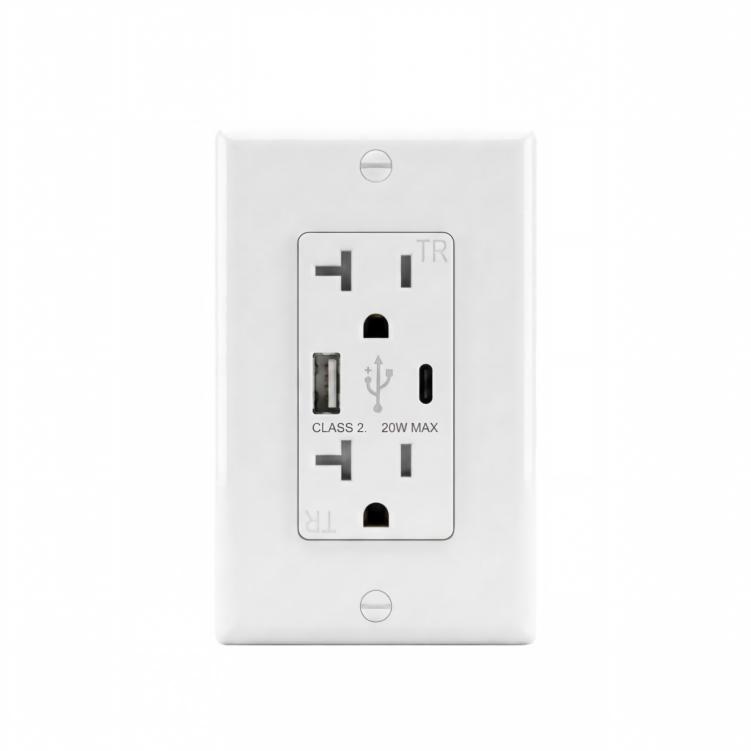
How Do USB Receptacles Work?
USB receptacles combine traditional AC power outlets with integrated USB charging ports.
Unlike standard receptacles, USB receptacles contain an internal power conversion module.
The basic operating process includes:
Depending on the product design, USB receptacles may support USB-A, USB-C, or a combination of charging interfaces.
Some advanced models also support USB Power Delivery (USB PD), allowing compatible devices to negotiate higher charging power.
USB receptacles are increasingly used in residential bedrooms, kitchens, offices, hotels, airports, and commercial spaces.
For buyers, important considerations include USB output ratings, charging protocols, electrical compatibility, thermal performance, and product certifications.
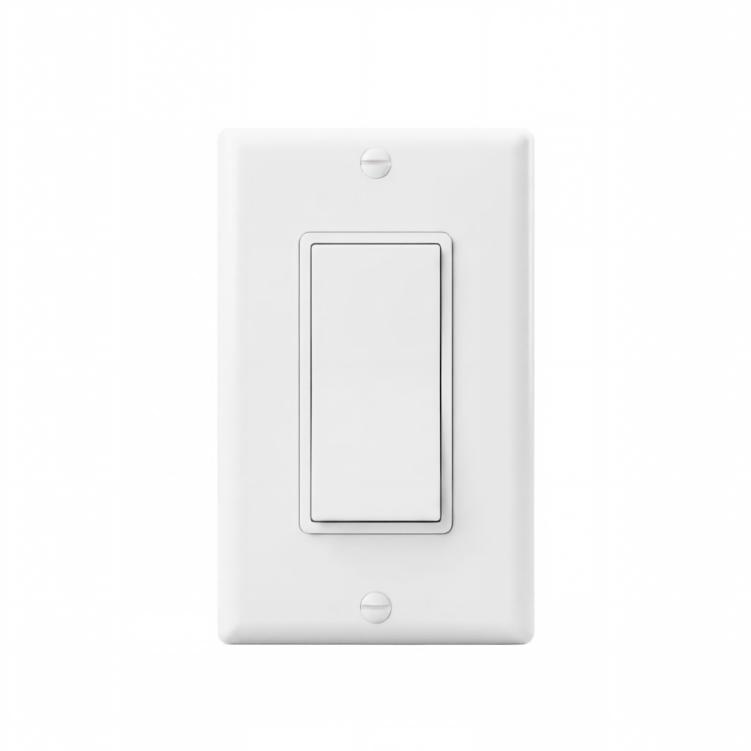
How Do Wall Switches Work?
Wall switches control electrical circuits by opening or closing an electrical contact.
When a standard single-pole wall switch is turned ON, its internal contacts close, allowing current to flow through the controlled lighting circuit.
When the switch is turned OFF, the contacts open and interrupt the circuit.
Common wall switch types include:
- Single-Pole Switches
- Three-Way Switches
- Four-Way Switches
- Dimmer Switches
- Specialty Control Switches
Single-pole switches control a lighting load from one location. Three-way switches allow the same lighting load to be controlled from two different locations, while four-way switches can be used with three-way switches to provide control from three or more locations.
Wall switches are widely used in homes, offices, hotels, retail buildings, and other commercial environments.
What Happens Inside a Wiring Device?
Although wiring devices may look simple from the outside, their internal construction plays an important role in electrical performance and product reliability.
Typical internal components include:
- Conductive Contacts: Metal contacts establish electrical connections between the building conductors and connected equipment. Their material, contact pressure, and surface quality affect electrical performance.
- Terminals: Terminals connect the device to branch-circuit conductors. Depending on the design, they may support screw-terminal or other approved wiring configurations.
- Insulating Housing: Insulating materials separate conductive components and help reduce the risk of unintended electrical contact.
- Mechanical Components: Springs, operating mechanisms, mounting straps, and other structural parts help maintain secure installation and reliable operation.
- Protective Components: Some devices, such as GFCI receptacles, contain electronic sensing and switching components that provide additional protection functions.
For manufacturers, careful engineering and quality control are essential to ensure that these components work together under the intended electrical and environmental conditions.
Where Are Wiring Devices Used?
Wiring devices are used across a wide range of North American building and infrastructure projects.
Residential Applications
In residential buildings, wiring devices provide everyday electrical connections and lighting control. Standard receptacles, GFCI outlets, USB charging receptacles, and wall switches are commonly installed throughout homes.
Commercial Applications
Office buildings, shopping centers, hotels, restaurants, and retail facilities require dependable wiring devices to support lighting, appliances, electronic equipment, and daily business operations.
Industrial Applications
Industrial environments may require specialized wiring devices designed for specific voltage ratings, operating conditions, and equipment connections. Product selection should account for the application and applicable electrical requirements.
Hospitality and Institutional Buildings
Hotels, schools, healthcare facilities, and public buildings often use a combination of standard receptacles, USB charging outlets, and specialized devices to support user convenience and electrical safety.
How to Choose the Right Wiring Devices for North American Projects
Selecting the right wiring devices requires more than comparing prices. Electrical contractors, distributors, wholesalers, and project procurement teams should evaluate several important factors.
Check the rated voltage, current, frequency, and load compatibility. Ensure that the selected device matches the intended circuit and application.
For the North American market, verify applicable certifications and compliance requirements. Depending on the product category, relevant standards may include UL 498 for attachment plugs and receptacles and UL 943 for ground-fault circuit interrupters.
Always confirm the specific listing, certification, and installation requirements for the product.
Evaluate conductive materials, contact structures, insulating components, housing durability, and terminal construction.
Check device dimensions, mounting configurations, terminal types, electrical box compatibility, and wiring requirements.
For distributors and wholesalers, a reliable supplier should offer consistent product specifications, stable manufacturing capacity, technical documentation, and responsive customer support.
For brand owners and project buyers, OEM manufacturing, private labeling, packaging customization, and product development capabilities may also be important purchasing considerations.
Working with a reliable circuit breaker and wiring device manufacturer can also help distributors and contractors maintain consistent product quality and supply.
Why Quality Matters in Wiring Devices
Wiring devices are used every day, often for many years. Poor electrical connections, inadequate materials, or inconsistent manufacturing quality can affect product performance and create potential safety hazards.
High-quality wiring devices should be designed and manufactured with attention to:
- Reliable electrical contact performance
- Appropriate insulation properties
- Mechanical strength and durability
- Secure terminal connections
- Consistent manufacturing quality
- Applicable safety testing and certification
For electrical distributors and contractors, selecting products from qualified manufacturers helps support reliable installations and long-term customer confidence.
Conclusion
Wiring devices play an essential role in modern electrical systems by connecting electrical circuits with appliances, controlling lighting, providing convenient charging solutions, and offering additional protection against certain electrical hazards.
From standard electrical receptacles and wall switches to GFCI and USB receptacles, each device performs a specific function based on its internal electrical and mechanical design.
For North American electrical contractors, distributors, wholesalers, and procurement professionals, understanding how wiring devices work is an important step toward making informed purchasing decisions.
At Meto, we focus on electrical wiring device solutions for residential and commercial applications. Whether you are sourcing GFCI receptacles, USB receptacles, wall switches, or other electrical accessories, choosing the right manufacturing partner can help support your product and project requirements.
Contact our team to discuss your wiring device sourcing, OEM, and wholesale requirements.
Frequently Asked Questions (FAQs)
Q1: What are the most common types of wiring devices?
Common wiring devices include standard electrical receptacles, GFCI receptacles, USB receptacles, wall switches, and specialty electrical outlets.
Q2: How does a GFCI receptacle protect users?
A GFCI receptacle monitors the current balance between hot and neutral conductors. When it detects a qualifying ground-fault imbalance, it interrupts the circuit to help reduce the risk of electrical shock.
Q3: What is the difference between a standard receptacle and a USB receptacle?
A standard receptacle provides AC electrical power through plug connections, while a USB receptacle includes an internal power conversion module that provides low-voltage DC charging through USB ports.
Q4: What certifications should wiring devices have in North America?
Certification requirements depend on the product category and application. Buyers should verify applicable UL or other recognized certification requirements and local electrical code compliance.
Q5: Can wiring devices be customized for OEM projects?
Yes. Depending on the manufacturer’s capabilities, OEM services may include product specifications, branding, packaging, and selected design modifications.

--- END ---
In this blog
Latest Articles


Newsletter
Never miss an update by signing up to our newsletter.
By submitting, you agree to our Privacy Policy and Terms of Use. See also our Cookie Policy. To request deletion of your data, email info@chinameto.com.